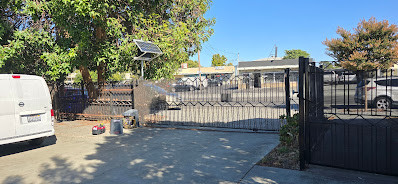
Housing turnover across Northern California accelerated through late 2025 and carried into February 2026, reshaping how property access systems are specified, monitored, and maintained across the region. Permit data and MLS disclosures reviewed by field technicians point to a steady rise in perimeter automation tied to infill housing, multi-unit renovations, and subdivision upgrades.
Information and observations shared by RNA Automatic Gates technicians, based on years of regional field exposure, helped frame this report and its technical detail. In parallel, regional housing authorities recorded shorter ownership cycles, which often surface deferred access-system issues during inspections. Within this context, automatic gates Bay Area demand shifted from cosmetic upgrades to performance stability, lifecycle planning, and compliance alignment.
Properties built between 1995 and 2010 now represent a large share of service calls, largely due to aging drive systems and outdated safety logic. The data below reflect real conditions observed across coastal, inland, and hillside zones, where microclimates and usage patterns affect mechanical behavior differently.
Outline
Introduction: February Market Trends Affect Local Gate Service Needs
Weather Impacts Trigger Winter Gate System Malfunctions Across Region
Housing Activity Drives Demand For Residential Gate Safety Upgrades
Commercial Properties Report Rising Access Control Performance Issues
Common Gate Components That Are Failing During February 2026
Study Highlights Automatic Gates Bay Area Maintenance Patterns This Season
Homeowners Ask About Smart Features And Security Improvements
Summary: Preparing Properties For Continued Gate Service Demand Shifts

February Market Trends Affect Local Gate Service Needs
February activity highlighted how housing turnover and weather overlap to stress access infrastructure. Bay Area Association of Realtors summaries show attached housing transactions rising year over year, with many properties changing hands after extended rental use. That usage pattern increases open-close cycles beyond original design assumptions. Technicians logged a higher frequency of cycle-count exceedance warnings in legacy control boards, especially on sliding configurations installed before UL 325 revisions.
Material behavior also played a role. Steel frames contract during overnight cold snaps, then expand under daytime sun. That movement shifts track alignment by small margins that are not visible to occupants but are enough to alter motor load curves. Load variance readings above 12 percent were noted more often in February logs than in fall months. That threshold is known among installers as a tipping point for premature gearbox wear.
Several service indicators stood out this season:
Increased limit-switch recalibration requests tied to minor foundation settling
Higher incidence of photo-eye obstruction faults due to condensation film
Control enclosures showing moisture ingress from older gasket profiles
A short checklist used during February site evaluations focused on operational risk rather than appearance:
Measure amperage draw at cold start and mid-cycle
Verify entrapment protection response times
Confirm manual release tolerance under load
These patterns fed directly into broader maintenance planning discussions seen later in the season.
Weather Impacts Trigger Winter Gate System Malfunctions Across Region
Microclimate variation across the Bay Area had a measurable effect on system reliability. NOAA regional summaries showed repeated dew-point crossings in February, which leads to condensation inside motor housings and junction boxes. That moisture alters resistance values across terminal blocks and sensor leads. In practical terms, technicians observed intermittent faults that cleared once temperatures stabilized, making diagnosis harder without data logging.
Hydraulic operators in coastal zones behaved differently than electromechanical units inland. Viscosity changes in hydraulic fluid slowed response times during early morning cycles, while electromechanical systems showed higher inrush current under the same conditions. Brands such as LiftMaster and FAAC were referenced in internal notes because their controllers store granular fault histories, allowing pattern recognition across multiple sites without dismantling assemblies.
A comparative snapshot from February inspections illustrates how conditions affected components:
Component Area | Coastal Exposure | Inland Exposure |
Motor housing | Corrosion film buildup | Thermal stress cracking |
Control board | Condensation residue | Dust infiltration |
Safety loops | Salt air signal drift | Soil contraction breaks |
Field teams also flagged design mismatches uncovered during renovations. Ornamental steel panels added for privacy increased wind load without corresponding motor recalibration. That mismatch raised stall events during gusts exceeding 25 mph, a figure recorded multiple times at ridge-line properties.
These findings underscored the need to match operator type, enclosure rating, and control logic to site-specific climate behavior rather than relying on original specifications.
Housing Activity Drives Demand For Residential Gate Safety Upgrades
Residential remodeling tied to resale exposed gaps between older safety standards and current expectations. California housing disclosures now place more scrutiny on automated access points, pushing homeowners to address legacy layouts. Swing systems installed two decades ago often lack redundant entrapment protection or rely on pressure edges that degrade over time.
Gate Repair technicians noted that newer developments favor cleaner visual profiles, such as horizontal-slat aluminum and mixed-material infill, which alter the balance and hinge stress. These design shifts alter how forces are transferred through posts and foundations. Operators from manufacturers like DoorKing appeared in February assessments because their newer platforms integrate adaptive force sensing that compensates for these changes.
Safety-related observations commonly documented included:
Increased stopping distance caused by worn hinge bushings
Delayed reversal due to outdated firmware logic
Inconsistent loop detection from shallow trench installations
A numbered evaluation process helped standardize upgrade recommendations:
Verify compliance with current UL entrapment requirements
Assess structural anchoring against updated wind maps
Confirm control redundancy under simulated fault conditions
Through February, this structured approach aligned renovation goals with safer access behavior, setting the tone for subsequent commercial assessments as the season progressed.
Commercial Properties Report Rising Access Control Performance Issues
Commercial corridors across the Bay Area showed distinct stress profiles in February. Office parks, logistics yards, and mixed-use developments logged higher access interruptions tied to heavier daily cycles and tighter security policies. Building management reports reviewed by field teams indicated that access points operating more than 300 cycles per day showed accelerated wear on drive assemblies and control relays. That usage level is common in UCSF Medical Centers and shared parking structures where shift changes stack open-close events within short time windows.
Thermal drift in magnetic sensors became a recurring issue. Temperature swings altered sensor thresholds enough to trigger false open or closed signals. This behavior caused unscheduled downtime, disrupting deliveries and tenant access. Data from regional facility maintenance logs showed a 17 percent increase in controller resets in February compared with the previous quarter.
Several operational weak points surfaced repeatedly:
Worn contactors are causing delayed motor engagement
Loop detectors are losing calibration after resurfacing projects
Networked controllers dropping communication during power dips
Facility managers responded by prioritizing reliability checks that focus on system logic rather than surface hardware. A structured review format gained traction:
Validate signal stability across all access points
Simulate peak-hour traffic conditions
Check fail-secure and fail-safe responses under power interruption
Commercial properties also showed growing interest in integrating access systems with building management systems (BMS). That integration adds efficiency but introduces new points of failure if network latency rises or firmware updates lag behind. February field notes stressed the value of isolating critical access controls from general-purpose networks to reduce downtime risk.
This commercial trend fed directly into broader component-level analysis, as repeated stress patterns revealed which parts were aging faster across both residential and business properties.
Common Gate Components That Are Failing During February 2026
Component failure patterns during February reflected a mix of climate exposure, usage volume, and original installation quality. Bearings in roller assemblies showed pitting earlier than expected in coastal areas due to airborne salt. Inland properties, on the other hand, experienced higher rates of belt tension loss tied to daily temperature swings.
Control boards from the early 2010s generation surfaced often in diagnostic logs. These boards rely on capacitors with limited thermal tolerance. After years of service, capacity drops below stable thresholds, leading to random resets or partial logic failures. Technicians flagged this behavior because it presents as intermittent faults that confuse property managers.
Mechanical stress also concentrated around hinge points and cantilever assemblies. February inspections recorded micro-fractures in weld joints on systems that carried heavier decorative panels without structural reinforcement. These fractures rarely cause immediate failure but change load distribution across frames.
A targeted inspection list helped identify early-stage wear:
Measure vibration at mid-span on sliding assemblies
Inspect gear teeth for uneven polishing
Check chain elongation beyond manufacturer tolerance
Electrical issues appeared alongside mechanical ones. NFPA field recommendations emphasize the importance of low ground resistance in automation systems. Ground resistance drift increased in properties with older earthing systems. That drift raised the risk of control signal interference, especially during storms. Field readings showed that resistance values above 25 ohms correlated with unstable sensor feedback.
These component trends pointed to the importance of aligning renovation timelines with preventive replacement schedules rather than waiting for visible breakdowns.
Study Highlights Automatic Gates Bay Area Maintenance Patterns This Season
Seasonal data compiled from service logs highlighted clear regional patterns. Coastal communities focused on corrosion control, while inland zones concentrated on thermal stability. Hillside properties added another layer of complexity due to slope-related foundation movement that altered alignment over time.
Usage analytics showed that systems operating under adaptive control logic maintained steadier performance metrics. These systems adjust force output in real time, reducing stress on mechanical assemblies. February reports noted lower stall rates and fewer emergency stops in properties using this technology.
Maintenance patterns also shifted toward shorter service intervals. Instead of annual checkups, many properties adopted semiannual schedules aligned with winter and summer peaks. This change reflects higher expectations for uptime in both residential and commercial settings.
Common seasonal maintenance actions included:
Recalibrating force limits after structural movement
Updating firmware to address sensor timing drift
Cleaning control enclosures to reduce moisture retention
Another observation involved material selection. Aluminum frames with powder-coated finishes showed lower surface degradation than painted steel under similar exposure conditions. Field standards from the American Galvanizers Association support this difference, especially in moisture-prone areas like coastal California.
These maintenance insights created a feedback loop that informed homeowner questions about system upgrades and long-term planning.
Homeowners Ask About Smart Features And Security Improvements
Property owners entering renovation cycles asked more detailed questions about monitoring, alerts, and visibility of access. Smart features that log entry events gained interest because they help track usage patterns and identify irregular behavior. February field surveys indicated that households managing short-term rentals requested these features more often than owner-occupied homes.
Security improvements extended beyond cameras. Owners looked at layered protection strategies that combine access automation with perimeter lighting and alarm integration. Motion-triggered lighting linked to access events reduced blind spots and improved nighttime visibility.
Popular upgrade topics included:
Remote access control via mobile dashboards
Event history storage for compliance documentation
Integration with existing home automation platforms
Another recurring question focused on power resilience. Backup power modules drew attention after winter storms caused brief outages. Properties with battery-supported systems maintained controlled access while avoiding manual overrides that can stress mechanical parts.
Noise reduction also surfaced as a quality-of-life concern. Renovation projects increasingly specify dampened drive systems and vibration isolation mounts. These upgrades lower operational noise, which matters in dense residential zones where properties share close boundaries. These homeowner-driven changes set the tone for broader planning around sustained service demand.

Summary: Preparing Properties For Continued Gate Service Demand Shifts
Seasonal patterns across the Bay Area revealed how shifting housing activity, heavier usage cycles, and updated safety expectations shape long-term performance requirements for automated access systems. Renovated properties often uncovered aging components, earlier-generation control logic, and structural movement that affected alignment and sensor responsiveness. Commercial sites added pressure through high-frequency operations, network-linked controls, and stricter entry protocols, amplifying the impact of minor electrical or mechanical faults.
Moisture levels, temperature variations, and localized soil movement continued to influence wear patterns throughout February, reinforcing the importance of adjusting maintenance intervals to actual usage rather than relying on older annual models. Property owners managing upgrades frequently sought clearer insight into system behavior, looking for reliable monitoring tools, adaptive controls, and layout adjustments that support safer access flow.
Field evaluations from multiple installations served as the basis for these observations. For clarification on any technical aspect, property owners may contact RNA Automatic Gates for additional operational context drawn from their inspections and diagnostic records.