Homeowners across Southeast Michigan face recurring challenges each winter when managing snow and ice on their properties. Independent Lawn Service has published new educational content examining common mistakes that occur during winter maintenance and how these errors affect lawn health and property conditions.
The resource addresses frequent winter snow removal mistakes that create problems extending well beyond the immediate winter season. Many homeowners focus primarily on clearing driveways and walkways without considering the downstream effects on turf, landscaping, and soil conditions.
Winter maintenance decisions made in January and February directly influence lawn performance and landscape health throughout the following growing season. Understanding these connections helps property owners make better informed choices during the coldest months.
Why Winter Maintenance Errors Often Go Unnoticed Until Spring
Most winter maintenance mistakes don't produce immediate visible consequences. Homeowners clear snow, apply salt or other deicing products, and pile snow in convenient locations without recognizing potential issues developing beneath the surface.
Salt damage near walkways and driveways creates dead zones in turf that won't become apparent until temperatures warm and grass should begin active growth. Deicing products that seem harmless during winter application can build up salt concentrations in soil that prove toxic to grass roots and plant material.
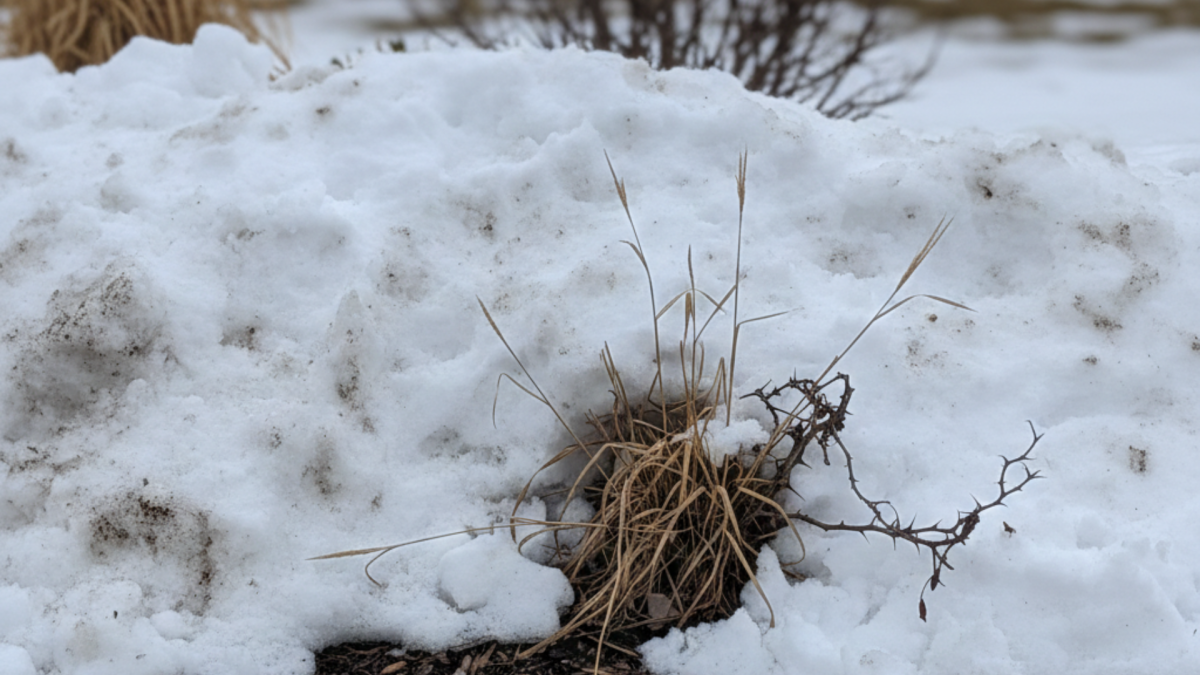
Snow piling patterns also create long term problems. Repeatedly placing snow in the same locations compacts soil underneath, reducing oxygen availability to grass roots and limiting water infiltration once snow melts. Heavy snow piles also create excess moisture in localized areas as temperatures fluctuate, encouraging fungal disease development that damages turf crowns.
Ice layers that form during freeze-thaw cycles present another hidden risk. Thick ice sheets prevent gas exchange between soil and atmosphere, essentially suffocating dormant grass beneath. This type of damage often goes completely unnoticed until dead patches appear in spring.
Southeast Michigan's variable winter weather, with frequent temperature swings between freezing and above-freezing conditions, intensifies these risks. Properties in communities like Livonia, Canton, and Plymouth experience particularly challenging conditions due to lake effect weather patterns and urban heat island effects.
How Professional Services Address Winter Property Management
Independent Lawn Service approaches winter property management with consideration for both immediate safety needs and long term landscape health. Their commercial snow removal services include strategic planning for snow placement that protects turf areas and ornamental plantings.
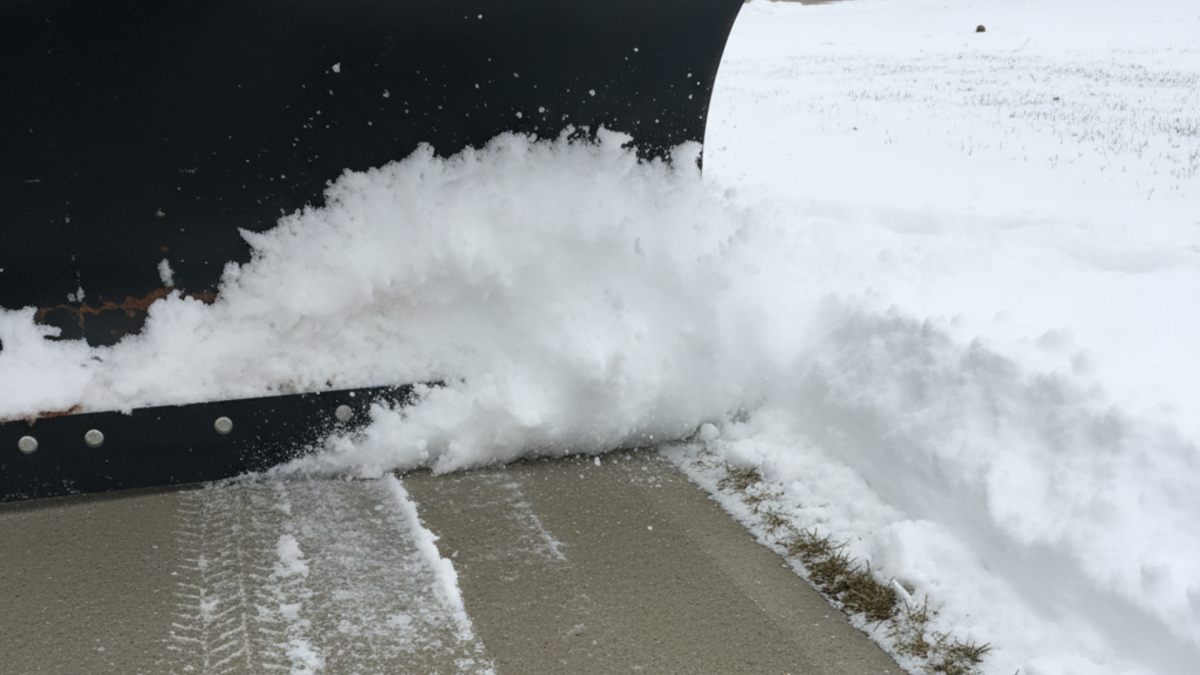
Professional snow plowing uses commercial grade equipment that can handle heavy, wet snow without creating the rut patterns and soil compaction that often result from repeated shoveling or consumer grade equipment use. Trained crews understand proper techniques for clearing driveways and walkways while minimizing damage to surrounding landscape areas.
Deicing services focus on appropriate product selection and application rates. Professional applicators understand how different deicing materials perform under varying temperature conditions and which products pose lower risk to vegetation and soil health. They also know proper application rates that provide necessary traction and ice melting without creating excessive salt buildup.
The company also provides lawn care services that address winter stress and prepare properties for spring recovery. Lawn fungus and disease control services help manage snow mold and other fungal issues that develop during prolonged snow cover. Pre-emergent treatments applied at the right time in early spring prevent crabgrass and other weed problems from establishing in turf weakened by winter stress.
Pest control services address winter active pests including moles and voles that cause extensive damage to lawns during cold months. These animals remain active beneath snow cover, tunneling through turf and feeding on grass roots while homeowners remain unaware of the destruction occurring.
What Property Owners Should Consider When Planning Winter Maintenance
Winter maintenance planning requires balancing immediate practical needs with longer term property care goals. Property owners need safe, accessible driveways and walkways, but they also want to protect landscape investments and avoid creating expensive repair needs for spring.
Service areas throughout Southeast Michigan experience different microclimates and weather patterns that affect winter maintenance needs. Properties in Novi and Northville often feature mature landscaping and significant hardscaping that require careful attention during snow removal. Urban properties in areas like Farmington may have limited space for snow storage, requiring thoughtful planning about placement.
Timing considerations also matter significantly. Early response to winter storms prevents ice formation and reduces the total amount of deicing product needed. Monitoring weather forecasts and deploying crews before conditions worsen provides better results than reactive approaches after problems develop.
Understanding your property's drainage patterns helps inform smart decisions about snow placement. Areas that already collect water during rain events will experience amplified drainage problems when large snow piles melt. Placing snow where it can melt gradually without overwhelming drainage systems or flooding low lying areas protects both turf and hardscaping.
Supporting Lawn Health Through Winter Challenges
Protecting turf health during winter requires understanding how grass plants respond to cold stress and what threatens their survival during dormancy. Cool season grasses grown throughout Michigan enter dormancy as a survival strategy, slowing metabolic processes to conserve energy during harsh conditions.
Traffic on frozen turf crushes plant cells and damages grass crowns, creating wear patterns that take months to recover once growth resumes. Professional lawn maintenance includes keeping traffic off turf areas during winter months whenever possible and planning pathways that protect valuable lawn areas.
Aeration services performed in fall help prepare lawns for winter stress by improving soil structure and root development before dormancy. Overseeding in late summer and early fall helps turf establish density that better resists winter damage and spring weed pressure.
Fertilization programs properly timed in fall help grass plants store energy reserves used to survive winter and support early spring growth. These nutrient reserves prove especially important for lawns recovering from winter stress or dealing with disease pressure.
Building Relationships With Local Property Owners
Independent Lawn Service works with residential and commercial property owners throughout Southeast Michigan, providing practical solutions for seasonal maintenance challenges. The company emphasizes education and communication, helping customers understand how different service decisions affect their property conditions.
Their approach to property care focuses on protecting landscape investments while addressing immediate maintenance needs. Service plans can be customized based on property characteristics, budget considerations, and specific customer priorities.
Making Informed Winter Maintenance Decisions
Winter maintenance decisions made by Southeast Michigan property owners affect conditions extending well beyond the immediate season. Understanding common mistakes helps homeowners avoid problems that damage lawns, stress ornamental plantings, and create expensive spring repair needs.
Independent Lawn Service provides both winter snow removal services and comprehensive lawn care programs that address seasonal stress and support long term turf health. Property owners looking for reliable winter maintenance services or spring lawn care can contact the company to discuss their specific needs and learn about available service options.