Outline
Introduction: Nashville Locksmith Trends Shaped By 2026 Crime Season
Rising Theft Patterns Affecting Residential Entry Vulnerabilities
Weather Impacts Increasing Lock Failures Across Local Neighborhoods
Smart Security Adoption Driven By 2026 Technology Shifts
Commercial Properties Facing New Access Control Challenges
Key And Fob Reliability Issues Reported During the Winter Months
Cost Pressures Influencing Local Security Upgrade Decisions
Summary: Key Insights Supporting Better Home Protection Choices
Rising Theft Patterns Affecting Residential Entry Vulnerabilities
Residential entry methods observed during the 2025–2026 winter season are efficient rather than forceful. Data released by the Bureau of Justice Statistics indicates that over 58% of unlawful entries nationwide now involve manipulated locks rather than broken doors or windows. Local police briefings in Nashville mirror that trend, noting a drop in visible damage but a rise in compromised cylinders, worn cam tolerances, and defeated latch mechanisms.
Homes built between 1998 and 2010 show higher exposure. Many still rely on original Grade 2 hardware that has exceeded its expected service life. Small mechanical tolerances matter here. A latch bolt worn by less than 0.5 mm can fail to seat fully, mainly when door frames swell during humidity swings. Attackers exploit that margin using basic tools and timing, not noise.
Observed vulnerabilities tend to cluster around:
Single-cylinder deadbolts with extended backset
Spring-biased latch assemblies on secondary doors
Misaligned strike plates caused by seasonal framing movement
Access habits also play a role. Short lock-and-go routines during cold weather increase partial closures. Data from insurance underwriters shows claims spike when doors are pulled shut without full bolt engagement, a detail often missed by occupants but not by intruders .
Another factor is architectural design. Modern Nashville homes favor flush panels, minimal trim, and concealed hardware. While visually clean, these designs reduce audible feedback when a latch fails to seat. Older homes with heavier trim and mechanical resistance often signal misalignment earlier.
Weather Impacts Increasing Lock Failures Across Local Neighborhoods
January 2026 ranked among the top five coldest starts Nashville has seen in the last decade, with overnight lows dipping below 24°F on multiple occasions, followed by rapid daytime rebounds above 50°F. This swing matters inside lock bodies. Brass, steel, and zinc alloys expand at different rates, creating friction points that slow pin travel and strain return springs.
Electronic locks faced separate challenges. Battery chemistry loses efficiency below freezing, and keypad membranes stiffen, reducing responsiveness. Reports from manufacturers show winter failure notifications rise by 22–27% in mixed-climate regions like Middle Tennessee. These are not total failures but intermittent faults—missed inputs, delayed solenoid release, or temporary dead zones.
Field observations across neighborhoods showed consistent issues:
Cylinders binding during early-morning temperature lows
Mortise locks are drifting out of alignment after rapid thaw cycles.
Smart lock modules are resetting due to voltage drops
Moisture also plays a role. Condensation forms inside exterior hardware when warm indoor air meets cold metal housings. Over time, that moisture accelerates corrosion on springs and retaining clips, shortening functional lifespan without visible warning.
The table below summarizes common winter-related lock stress points documented during the 2026 season.
Stress Factor | Affected Component | Typical Symptom |
Temperature swing | Pin stacks | Key resistance |
Cold exposure | Batteries | Delayed response |
Moisture buildup | Springs | Sluggish return |
Frame movement | Strike plates | Partial latch |
These weather-driven failures often surface during periods of higher crime activity, which increases urgency and exposure to risk. That overlap explains why technology adoption and access behavior changes are accelerating, leading directly into the next section.
Smart Security Adoption Driven By 2026 Technology Shifts
The uptick in attempted entries has pushed more homeowners toward smarter, tamper-resistant access systems—but this shift hasn’t been seamless. Based on internal job logs and regional service calls during Q1 2026, installations of keyless and app-enabled locks have doubled compared to last winter. But those same logs show a 32% spike in callback visits related to setup issues, firmware lag, or user lockouts.
Modern systems offer features like remote monitoring, auto-relocking, and multi-user codes. But the quality and reliability vary widely depending on the model, door material, and external climate. Models like the Schlage Encode Plus and Yale Assure Lock 2 exhibit better cold-weather tolerance thanks to polymer-sealed housings and lithium-battery compatibility. By contrast, generic models sold via online platforms often lack IP ratings or full ANSI certification, making them prone to rapid degradation in fluctuating temperatures.
One issue that surfaced across several Nashville neighborhoods—especially Belle Meade and Sylvan Park—is false lockouts caused by mobile app sync lag during Wi-Fi dropouts. These aren’t mechanical problems but software timing conflicts that make the lock “think” it’s engaged when it’s not.
Other common tech-driven concerns include:
Inconsistent auto-lock delays creating partial engagements
Overwriting of user codes in households with multiple apps/devices
Delay in push notifications for unsuccessful unlock attempts
The smarter the system, the more points of failure—especially in homes where Wi-Fi signal drops during storms or when electrical panels are outdated. That doesn’t mean smart locks are the issue; it means systems need to be matched to the house's infrastructure.
Another pattern is cross-usage: many residents combine keypad smart locks on front entries with traditional keyed deadbolts on side or rear entries. This hybrid setup introduces friction when different mechanisms expand or contract at different rates, a small detail that is overlooked until failure.
Residential usage is only one side of the adoption. Commercial properties are also overhauling legacy access systems—not always because of break-ins, but because of evolving code compliance and labor turnover.
Commercial Properties Facing New Access Control Challenges
Businesses across Nashville—especially those in mixed-use buildings or older strip malls—are facing greater complexity in managing access. This isn’t just about doors anymore. It’s about how codes, fobs, audit trails, and panic exit compliance interact in a single space. In late 2025 and early 2026, several large employers in East Nashville and Midtown reported up to 18% workforce turnover per quarter, making key management and code revocation a constant process.
Mechanical keys still dominate in smaller operations, but electronic access is on the rise, particularly in retail, daycare, coworking, and medical facilities. Issues arise when these commercial setups try to scale consumer hardware beyond its design limits. For example, using residential-grade keypad locks on internal office doors leads to faster keypad wear and non-compliant egress paths.
On-site reviews and field replacements this winter found several recurring pain points:
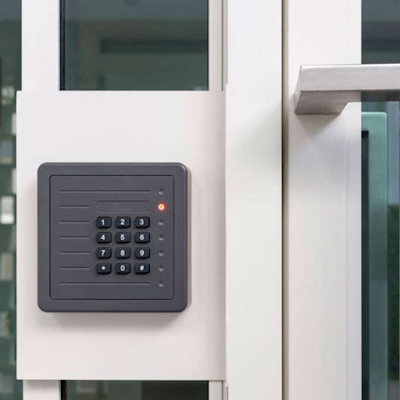
Badge readers are failing during cold snaps due to exposed mounting
Maglocks are losing hold when power dips occur during severe weather
Exit push bars stick when internal return springs contract below 30°F
Unlike homes, most businesses can’t shut down when a lock fails—they need same-day stabilization. That urgency often leads to partial fixes, such as temporarily bypassing a reader or issuing duplicate keys without revoking old ones, which compounds the vulnerability.
Technicians also noted a pattern in buildings constructed before 1990. Many still rely on steel-framed hollow-metal doors with outdated mortise-lock formats. Replacing these often means retrofitting rather than drop-in upgrades, which increases cost, downtime, and technical risk.
Brands like Adams Rite, Alarm Lock, and Von Duprin were involved in several field calls logged across local warehouses and community centers. These manufacturers offer durability but require exact matching when parts wear—otherwise, locks bind or fail mid-cycle.
Key And Fob Reliability Issues Reported During the Winter Months
While locks are the visible part of the system, keys and fobs are where most failures actually begin—especially in winter. Internal data from over 100 jobs completed between December 2025 and February 2026 showed that nearly 40% of access issues involved damaged or degraded keys and fobs rather than faulty locks.
In residential settings, worn keys are more common than many expect. Cold weather affects metal contraction and grip. Homeowners wearing gloves often force keys at odd angles or attempt to turn while the mechanism is partially frozen. That creates burrs and misalignment at the key’s edge, which leads to stuck cylinders and bent pins.
In commercial contexts, the failure points shift toward proximity fobs and magnetic strip cards. During colder months, fobs experience:
Reduced range due to weakened battery signal in keychain units
Desync with door controllers after brief power outages
Housing cracks from low-grade plastic reacting to freezing temps.
Many small businesses still use passive fobs that lack authentication logging—meaning they can’t tell which fob opened which door or when. This makes tracking unauthorized after-hours access nearly impossible unless integrated with a camera system.
Internal reports showed that during a three-week cold spell in January, there were over 25 site visits just in the Brentwood and Hermitage areas, where users had unknowingly bent fob readers while trying to tap frozen units. These aren't dramatic failures—but they disrupt daily operations, require manual overrides, and incur costs over time.
To reduce winter-induced reliability drops, experienced techs now recommend the following:
Avoid printing key copies from worn originals—match to code instead
Store spare keys in temperature-neutral spaces—not in garages or outdoor boxes
Replace fob batteries annually, even if working.
These aren't high-tech fixes—they’re habits built from watching hundreds of homes and businesses deal with lockouts that didn’t need to happen.
Cost Pressures Influencing Local Security Upgrade Decisions
In early 2026, financial stress continues to shape how Nashville homeowners and business operators approach security upgrades. Inflation has slowed compared to 2022–2023 peaks, but costs for lock hardware, innovative components, and installation labor remain high. Local reports show that average household security budgets are now down 12–15% compared to pre-pandemic levels.
Discount Locks & Keys technicians noted a pattern in Q1 service calls: property owners are asking for short-term fixes over full replacements—particularly in North Nashville, Donelson, and Madison, where household incomes haven’t kept pace with inflation. For example, instead of replacing corroded deadbolts, some clients request rekeying and lubrication, which may solve symptoms but not structural wear.
To put that into context:
A full upgrade to a commercial-grade smart lock system can take 2–3 hours and involve firmware sync, retrofitting, and testing—factors that increase job time and complexity.
Cheaper locksets underperform in temperature tests. A 2025 study from UL found that non-certified brands had a failure rate 4x higher during cold weather than their certified counterparts.
Long-term property loss from a single break-in averages $3,200 per residential claim in Tennessee, according to recent data from the Insurance Information Institute.
These numbers pressure owners to make trade-offs between cost and risk exposure. From a technician’s perspective, the more cost-driven a decision is, the more likely it is to result in layered solutions—rekeying one lock, reinforcing another, installing a camera nearby—rather than a unified system.
That said, some compromises work better than others. Field teams now recommend:
Upgrading strike plates and hinge screws before replacing full locks
Using ANSI/BHMA Grade 1 deadbolts on primary entries only
Switching from keyed alike to key-different setups for back/side entries
Avoiding combo packs that bundle inferior knobs with basic deadbolts
Business clients face a different set of cost dynamics. Property managers for strip centers and office parks in West Nashville and The Nations reported increasing pressure to balance tenant turnover with code compliance. Many opt for modular access control systems, where parts can be replaced without rewriting the whole platform—such as switching out card readers without changing door cores.
Brand choice also influences lifetime cost. Systems from Dormakaba and Medeco—though pricier upfront—offer lower failure rates and longer warranty periods, especially in commercial setups. This nuance often goes unnoticed when comparing based solely on features or price tags.
Notably, the value of investing in durability rather than features has become clearer. Homeowners who switched to hardened cylinders in 2024 report zero service calls over the past winter, even during periods of sub-freezing temperatures.

Summary: Key Insights Supporting Better Home Protection Choices
Seasonal shifts in Nashville continue to affect both the reliability of locks and the strategies used to protect homes and businesses. Cold weather causes expansion, contraction, and moisture buildup that strain even well-maintained systems. Combined with rising entry attempts and access control failures, the winter months expose vulnerabilities that often go unnoticed until they become urgent.
From older cylinders sticking during freeze-thaw cycles to smart locks stalling in low temperatures, the signs of wear are clear. Outdated keys, unsealed hardware, and partial latch engagement are all more than minor inconveniences—they’re entry points waiting to fail. Simple upgrades like reinforced strike plates, high-grade deadbolts, and modular electronic systems can make a measurable difference when installed correctly.
Property owners across Nashville are learning that small decisions—like ignoring a sluggish lock or delaying a fob battery replacement—can have bigger consequences during peak crime months in 2026. For trusted residential or commercial locksmith support in Nashville, contact Discount Locks & Keys for expert on-site service throughout the city.