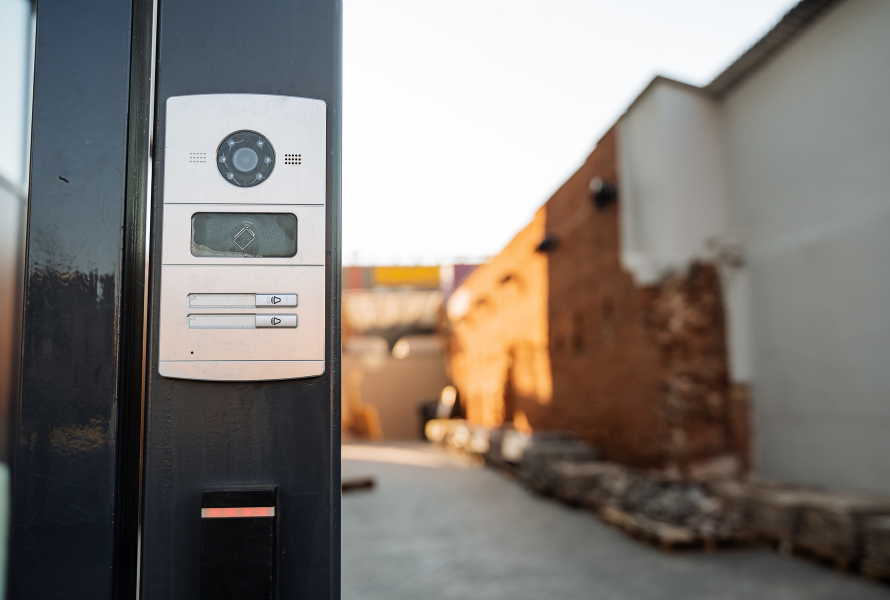
Access control failures rarely announce themselves. They show up as small delays, workarounds, or security gaps that slowly become normal. For New York City businesses, those gaps carry real risk. Aging systems struggle to keep up with modern security demands, hybrid workforces, and compliance requirements.
For many organizations, the smartest move is to upgrade an access control system in NYC before minor issues turn into operational problems. Modern access control is no longer just about locking doors. It is about visibility, accountability, and control across every location.
Why Access Control Matters More in NYC Than Most Cities
New York City buildings are complex. Multi-tenant properties, older infrastructure, strict codes, and high foot traffic create challenges that legacy access systems were never designed to handle.
An outdated system can slow operations, frustrate staff, and leave gaps in physical security. In contrast, modern access control systems offer centralized management, real-time alerts, and secure remote access designed for today’s business environment.
Businesses researching commercial access control systems often start by evaluating what they already have. The signs below help clarify when replacement makes more sense than repair.
Learn more about modern solutions for commercial access control systems on our website.
1. Credentials Are Still Physical Only
If access relies entirely on physical cards, fobs, or keypad codes, risk increases quickly.
Lost cards are common. Shared codes are harder to track. Reissuing credentials takes time and manual effort. In busy NYC workplaces, this often leads to shortcuts that weaken security.
Modern systems support mobile credentials, secure digital badges, and instant revocation. Credentials can be issued, updated, or removed in seconds from any device.
This shift toward mobile credentials in NYC is not about convenience alone. It directly reduces unauthorized access and administrative overhead.
2. No Real-Time Visibility Into Door Activity
Legacy access systems log events, but often only after the fact. That delay limits their usefulness.
Modern access control platforms provide live dashboards showing who accessed which door and when. When paired with video, every access event can be visually verified.
For property managers and security teams, this real-time insight improves response times and accountability, especially across multiple sites.
If reviewing door activity feels like pulling reports instead of managing security, it is a strong indicator that access control modernization is overdue.
3. System Updates Require On-Site Visits
Older systems depend on on-premise servers that must be manually updated. This creates delays, added costs, and unnecessary downtime.
Cloud-based platforms deliver automatic updates, security patches, and new features without service interruptions. Devices stay current without technician visits for routine maintenance.
In NYC, where scheduling access to buildings can be difficult, cloud-native systems reduce friction and long-term operating costs.
4. Access Control and Video Are Separate Systems
When access control and video systems do not communicate, investigations take longer and mistakes happen.
Modern platforms unify access control and video security so access events are instantly paired with live or recorded footage. This allows quick verification of alarms, tailgating, or forced entry attempts.
Unified systems also simplify training and daily use. One dashboard replaces multiple tools, reducing complexity for staff and security teams.
This integration is a key driver behind organizations choosing to replace access control systems rather than patch outdated setups.
5. The System Does Not Scale With the Business
Growth exposes the limits of legacy systems quickly.
Adding doors, locations, or users often requires new servers, licensing changes, or hardware replacements. These limitations slow expansion and inflate costs.
Modern cloud access control platforms scale efficiently. New locations can be added in minutes, and permissions can be managed centrally.
For NYC businesses operating across multiple offices or properties, scalability is no longer optional. It is a baseline requirement.
6. Security Policies Are Hard to Enforce
If access schedules, permissions, or role-based rules are difficult to manage, compliance suffers.
Modern systems support granular permissions based on role, department, time of day, and location. Temporary credentials for contractors or visitors can be issued automatically and expire without manual follow-up.
Advanced reporting and audit logs also support regulatory requirements common in healthcare, education, and government environments across New York City.
Legacy systems were built for simpler environments. Today’s compliance demands more flexibility and control.
7. The System Depends on Obsolete Hardware or Software
Many legacy access systems rely on discontinued hardware, unsupported operating systems, or aging servers.
When components fail, replacements may be unavailable. Security patches may no longer exist. Each failure increases downtime risk.
Modern access control platforms are designed with backward and forward compatibility. Existing cameras and readers can often be integrated into newer cloud-based systems, protecting prior investments while improving performance.
This hybrid approach is common when planning an access control upgrade in NYC, especially in older buildings.
8. Response to Incidents Is Slow or Inconsistent
When an incident occurs, response speed matters.
Modern access control systems support intelligent alerts, anomaly detection, and automated workflows. Security teams receive notifications instantly and can verify events remotely.
Some platforms also include decision management tools that guide operators step by step during incidents, improving consistency and reducing human error.
If incident response relies on manual checks, phone calls, or delayed reporting, the system is holding the organization back.
What Modern Access Control Looks Like Today
Today’s access control systems are cloud-native, flexible, and designed to integrate with broader security infrastructure.
Key components typically include:
Smart readers supporting cards, mobile credentials, and biometrics
Secure electric lock hardware matched to door construction
Cloud-managed access control software accessible from any device
Integrated video security for visual verification
Automated updates and security patches
Scalable architecture for multi-site environments
Platforms such as Avigilon Alta and Avigilon Unity demonstrate how access control has evolved into a unified security ecosystem rather than a standalone tool.
Why NYC Businesses Are Replacing Legacy Access Systems
Across the New York City metropolitan area, businesses are moving away from aging systems for three main reasons:
Operational efficiency – fewer manual tasks and faster credential management
Improved security – real-time monitoring and intelligent alerts
Lower long-term cost – reduced maintenance, fewer service calls, and scalable growth
Replacing a legacy system is often more cost-effective than continuing to repair and maintain outdated infrastructure.
Organizations considering to replace their access control system can explore upgrade options specific to NYC environments on our website.
Choosing the Right Access Control Partner in NYC
Upgrading access control is not just a technology decision. It is an infrastructure decision.
New York City requires licensed professionals with experience navigating building codes, legacy wiring, and complex occupancies. Proper design, clean installation, and responsive support matter as much as the hardware itself.
Businesses often benefit from working with an ICT contractor that combines design expertise, installation discipline, and long-term support under one roof.
For organizations evaluating local expertise find Streamline Telecom’s NYC presence here.
About Streamline Telecom
Streamline Telecom is a New York City–based Information and Communications Technology contractor and integrator specializing in commercial security, access control, video systems, and network infrastructure.
Since 2006, the company has supported hospitals, schools, office buildings, hotels, retail spaces, and government facilities across the NYC metropolitan area. Streamline Telecom is known for disciplined project management, fast communication, and clean, organized installations designed to perform reliably over time.