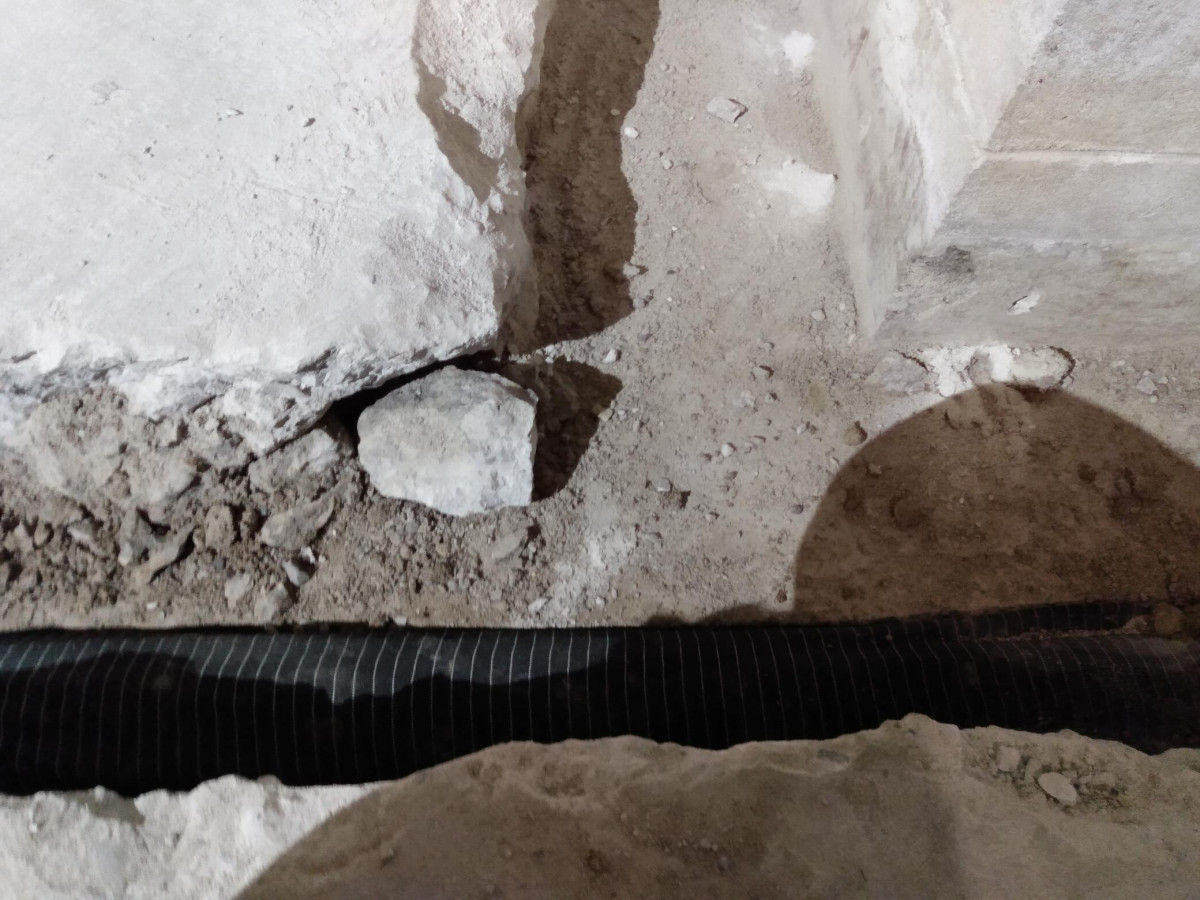
You’ve just experienced a heavy downpour and you’re worried about your basement’s condition. It’s imperative to check for any potential water damage. But what should you be looking for exactly? And how should you proceed if you uncover any issues? We’ll guide you through some best practices for conducting a post-rain basement inspection. Safety precautions, what to look for, and subsequent actions – we’ve got it all covered. With this knowledge, you’ll be better equipped to protect your home from any rain-induced harm. Stick around, we’ve got some valuable insights to share.
Key Takeaways
- Inspect for moisture using a meter and look for structural damage like cracks, bulges, or sinking in walls and floors post-rain.
- Spot water damage indicators such as stains, warped wood, and musty odors, and document all findings for future reference and repairs.
- Use a dehumidifier to lower moisture levels and thoroughly clean water stains with detergent; seek professional help for mold removal.
- Assess structural damage and devise a professional repair plan, focusing on compromised elements like columns, beams, and joists.
- Implement preventive measures such as installing a sump pump, waterproofing the basement, ensuring proper landscape drainage, and maintaining drainage systems.
 Understanding Basement Water Risks
Dive right into the world of basement inspections by understanding the risks associated with water. You see, water’s a cunning adversary—it doesn’t just pose a threat to your possessions stored in the basement, but it can also compromise the structural integrity of your home.
It’s not just about a soggy carpet or ruined photo albums; it’s about safety and maintaining your home’s value.
Now, let’s unpack this a bit. When water seeps into your basement, it can cause mold and mildew growth, which can lead to health issues for you and your family. Additionally, persistent water intrusion can weaken your home’s foundation, leading to cracks and even structural failure.
Here’s where it gets a bit technical. You need to look out for signs of water damage like dampness, stains, peeling paint, or a musty smell. These are red flags that water’s been playing foul in your basement.
Pre-Inspection Safety Measures
Before you venture into your basement for inspection, it’s crucial to take some safety precautions. First, verify you’re dressed appropriately. Wear sturdy, slip-resistant shoes to prevent falling on wet surfaces. Donning a pair of heavy-duty gloves can protect your hands from sharp objects or potentially harmful substances.
Next, be wary of electrical hazards. If you suspect your basement has flooded, don’t enter if the power is on. Reach out to a professional electrician to shut off the electricity in a safe manner. It’s not worth risking electrocution.
Also, be cautious of structural damage. Post-rain, your basement’s walls or ceiling could be weakened. If you notice any visible cracks or bulges, don’t proceed. Call a professional immediately.
Moreover, remember to use a flashlight for visibility. Basements, especially post-rain ones, can be dark. Good lighting helps you spot potential hazards.
Lastly, have a rescue plan. Inform someone about your inspection and keep your phone handy. If an accident occurs, you’ll need immediate help.
These measures might seem excessive, but your safety is paramount. You’re now prepared to conduct your basement inspection with caution.
Essential Inspection Checklist
Now that you’re geared up and aware of the safety measures, it’s time to tackle the inspection. Your basement holds clues to its health and identifying issues early helps avoid major problems.
Your essential inspection checklist should include three key areas.
- Check for Moisture: Look for signs of water damage such as dampness, water stains, mold, or mildew. Use a moisture meter if available.
- Inspect Walls and Floors: Look for cracks, bulges, or bowing in the foundation walls. Also, check the floors for any signs of heaving or sinking.
- Examine Structural Elements: Pay attention to columns, beams, and joists. These structural elements should be in good shape without any noticeable sagging, bending, or cracking.
Spotting and Addressing Damage
Having thoroughly inspected your basement for moisture, cracks, and structural issues, the next step is to understand how to spot and address any damage you might find.
Water stains on walls, warped wood, and a musty smell are clear indicators of potential damage. Look for discoloration on surfaces and check for any softening of wooden structures; both are signs of water damage.
It’s not enough to just identify the damage; you’ve got to take action. If you’ve found moisture, use a dehumidifier to dry out the area.
Water stains might require a bit more elbow grease; you’ll need to scrub the area with a mixture of detergent and water, then let it dry thoroughly. If you’ve spotted mold, it’s best to call in a professional. Mold not only damages your home but can also be a health hazard.
For structural damage, you’re likely looking at a more significant repair. Consult a professional to assess the extent of the damage and devise a repair plan.
Preventive Measures for Future Rains
There are three key steps you can take to safeguard your basement against future rainfall.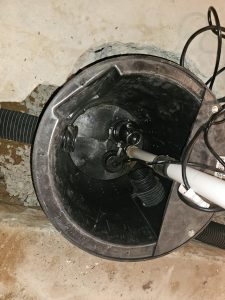
Implement these preventative measures to protect your home and save yourself the headache of post-rainfall damages.
- Install a Sump Pump: A sump pump is your first line of defense against basement flooding.
It’s designed to pump out excess water that seeps into your basement, keeping it dry and damage-free.
Make sure it’s in working order before the rainy season hits.
- Waterproof Your Basement: You can’t control the weather, but you can make your basement resistant to it.
Waterproofing methods include sealing cracks and applying waterproof coatings.
This will help prevent water infiltration from the start.
- Ensure Proper Landscape Drainage: If water pools around your home, it can seep into your basement.
By sloping your landscape away from your house and installing drains, you’ll direct water away from your foundation.
Don’t wait for the next rainstorm to hit.
Take these steps now and save yourself the effort of dealing with a flooded basement.
Remember, after heavy rain, your basement is at risk. So, don your slip-resistant shoes and grab your flashlight. Check for moisture and visible damage, always prioritizing safety. If you spot any issues, don’t hesitate to bring in professionals. Use a dehumidifier to keep things dry and consider preventive measures for the future. Stay vigilant and make certain your home remains a safe, structurally sound haven, no matter what Mother Nature throws at it.