When it comes to safeguarding your home from water damage, you’re confronted with two primary options: interior or exterior waterproofing. Both have their advantages, with interior solutions like drain tile systems managing water seepage, while exterior methods offer a proactive barrier to water intrusion. But which solution is best for your particular home, considering your specific needs, budget, and local climate? Stay with us as we investigate their differences, strengths, and potential pitfalls, providing you with essential insights to make an informed decision.
Key Takeaways
- Both interior and exterior waterproofing have their pros and cons; the choice depends on your home’s specific needs and circumstances.
- Interior waterproofing is less expensive and handles hydrostatic pressure effectively, but only manages water intrusion rather than preventing it.
- Exterior waterproofing offers a higher level of protection by preventing water entry, but it’s more expensive and its installation is weather-dependent.
- Drain tiles are an integral part of both interior and exterior waterproofing, helping to divert water away from the structure.
- Consider factors like home age, location, climate, severity of issues, and budget when deciding on the best waterproofing solution for your home.
 Understanding Home Waterproofing
In the domain of home maintenance, understanding home waterproofing is a necessity. It’s more than just a fix-it job. It’s a preventative measure that saves you future headaches and potentially thousands in repair costs.
Waterproofing relates to a series of actions designed to prevent water from entering your home. It’s all about creating a barrier between your home and moisture. Without proper waterproofing, water can seep into your house, causing structural damage, mould growth, and a host of other issues.
There are two main types of home waterproofing: interior and exterior. You’ll get into the nitty-gritty of interior waterproofing later. For now, let’s focus on the whole concept. It’s essential to understand that both types have a common goal – to keep your home dry and safe.
You see, while waterproofing can seem intimidating, it’s not rocket science. It’s about knowing the basics, weighing your options, and choosing the best method for your home.
Basics of Interior Waterproofing
Diving right into the basics, interior waterproofing is your first line of defense against moisture invasion. It’s a crucial step in maintaining the structural integrity of your home. From preventing mold and mildew growth to protecting your belongings, you can’t underestimate its significance.
Typically, interior waterproofing involves applying a waterproof coating or membrane to the inside of your home’s walls and floors, especially in areas prone to dampness like your basement. It’s also common to install a drain system to handle any water that does manage to infiltrate.
To give you a clearer understanding, let’s consider this table:
| Interior Waterproofing Element | Purpose |
|---|---|
| Waterproof Coating/Membrane | Acts as a barrier, preventing water from seeping through walls and floors. |
| Drain System | Collects and redirects any water that penetrates your home’s interior. |
| Dehumidifier | Reduces indoor humidity levels, discouraging mold and mildew growth. |
| Vapor Barriers | Installed on walls and floors to restrict the amount of moisture that can enter. |
Pros and Cons of Interior Waterproofing
While interior waterproofing offers a solid line of defense against moisture invasion, it’s also important to reflect on its strengths and drawbacks.
As a homeowner, you’ll find that one of its main advantages lies in its ability to handle hydrostatic pressure. This method manages water that sneaks into your basement, diverting it to a sump pump and out of your home. It’s a cost-effective solution that can be less invasive than exterior options, saving your landscape from any disruptions.
However, interior waterproofing isn’t the be-all and end-all solution. It doesn’t prevent water from entering your home, but rather manages it after it has seeped in. That means moisture can still cause damage to your home’s exterior walls before it’s directed away.
Additionally, it mightn’t adequately address serious exterior foundation issues. You’ll also need to take into account that this process can be disruptive to your home’s interior, with potential for mess and noise during installation.
Weighing these pros and cons can guide you in making the best decision for your home’s unique situation.
Basics of Exterior Waterproofing
Shifting gears to exterior waterproofing, it’s crucial to understand the basics of this robust moisture defense strategy.
Exterior waterproofing, often called external or positive side waterproofing, tackles water intrusion from outside your home. It’s a proactive method, seeking to prevent water from ever making contact with your home’s foundation or walls.
The process begins with excavating around your home down to the foundation. This can be a big job, but it’s key to exposing the areas most vulnerable to water.
Then, a waterproof sealant or membrane is applied to the foundation walls. This barrier repels water, forcing it to move away from your home instead of seeping into it.
Next, a drainage system is usually installed at the base of your foundation. This can be a drain tile or French drain, which helps to divert water away from your home.
Pros and Cons of Exterior Waterproofing
Now that you understand the basics of exterior waterproofing, let’s evaluate its strengths and weaknesses.
- Pro – Extensive Protection: Exterior waterproofing offers a robust and extensive solution. It’s designed to prevent water from even making contact with your home’s walls.
By creating a barrier around the perimeter of your home, it greatly reduces the risk of structural damage.
- Pro – Longevity: When done professionally, exterior waterproofing can last for decades.
It’s a one-time investment that offers long-term peace of mind.
- Con – Cost: This method can be quite expensive, especially for larger homes.
The cost includes excavation, materials, labor, and potentially even landscaping repairs post-installation.
- Con – Disruption: The process of exterior waterproofing is invasive.
It requires considerable excavation around your home, which can disrupt your yard and potentially your normal routine.
It’s essential to weigh these pros and cons carefully.
Every home is unique, and what works best for you may not work for your neighbor.
Ultimately, the decision should be based on your specific needs, budget, and long-term goals for your home.
Drain Tile Comparison: Interior vs. Exterior
In comparing interior and exterior drain tiles, it’s crucial to understand their purpose and how each works.
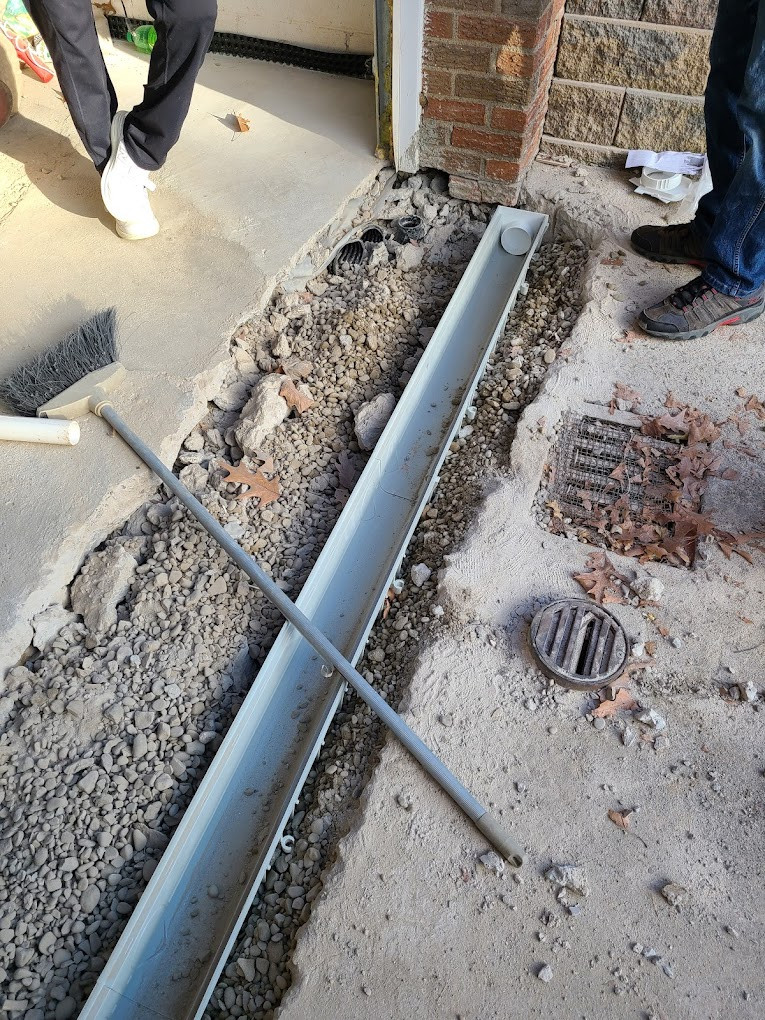
Interior drain tiles, installed inside your home’s foundation, catch water that seeps inside and directs it to a sump pump. This system helps keep your basement dry, preventing water damage and mold growth.
Exterior drain tiles, on the other hand, are located outside your home’s foundation. They’re designed to prevent water from ever reaching your foundation walls. These tiles divert water away from your house, mitigating the potential for structural damage due to water exposure.
Each system has its advantages.
Interior drain tiles can be installed without disturbing your landscaping, and they’re effective at managing water that’s already entered your home.
Exterior drain tiles stop water before it gets to your foundation, providing a proactive form of protection.
However, both systems have their drawbacks.
Interior drain tiles can’t prevent water from reaching your foundation, which could lead to structural issues down the line.
Exterior drain tiles require excavation, which can be disruptive and potentially damaging to your yard.
In the end, the best option for you depends on your specific situation and needs.
Cost Implications: Interior vs. Exterior
Deciding between interior and exterior waterproofing often boils down to cost. It’s essential to understand the financial implications before you make a decision.
- Interior waterproofing is generally less expensive. It can range from a few hundred to a few thousand dollars, depending on the extent of the problem. It’s a good option if you’re on a tight budget or dealing with minor moisture issues.
- Exterior waterproofing, on the other hand, is more costly. This process can run you from several thousand to tens of thousands of dollars. The high price tag is due to the labor-intensive work of excavating around your home’s foundation.
- Remember, the cost of not waterproofing can be significant too. Ignored water problems can lead to structural damage and mold growth, both of which can be far more expensive to address in the long run.
- Finally, don’t forget to factor in the ongoing maintenance costs. Interior systems may require more frequent checks and possible repairs, while exterior solutions often require less upkeep.
Ultimately, it’s about balancing your budget with the severity of your water problem.
Make sure you’re making a well-informed decision that suits both your wallet and home’s needs.
The Impact on Different Home Types
Let’s now contemplate how different types of homes are impacted by interior and exterior waterproofing.
If you live in a basement home, interior waterproofing might be the best option for you, while those with crawl space houses may benefit more from exterior waterproofing.
For multi-level structures, you’ll need to reflect on drainage as well.
Basement Homes: Interior Waterproofing
When waterproofing your basement home, opting for interior methods can greatly impact the structure and value of different types of homes.
Let’s explore how this process can affect various aspects of your property.
- Overall Structure: Interior waterproofing helps maintain the structural integrity of your home. It reduces the risk of foundation cracks, which can be detrimental to any home, especially those with basements.
- Home Value: A well-maintained, waterproofed basement can increase the value of your home. Prospective buyers are more likely to invest in a property that’s effectively protected against water damage.
- Living Conditions: Interior waterproofing can effectively combat dampness, mold, and mildew. You’ll enhance your home’s livability, making the basement a safe, usable space.
- Energy Efficiency: By keeping your basement dry, you’re also improving the home’s energy efficiency. Dry basements can help reduce energy costs by preventing cold drafts in the winter and excess humidity in the summer.
Crawl Space Houses: Exterior Waterproofing
While interior waterproofing plays a significant role in maintaining the value and livability of basement homes, it’s equally important not to overlook the potential benefits of exterior waterproofing, especially for houses with crawl spaces.
The crawl space, located below your house, can be a magnet for moisture. Left unchecked, this can lead to mold growth and structural damage. By waterproofing the exterior of your crawl space, you’re protecting your home from the outside in. It’s a proactive measure that can save you costly repairs down the line.
Exterior waterproofing includes the application of a waterproof barrier on the exterior walls of the crawl space, along with the installation of a drainage system to redirect water away from your home’s foundation.
It’s a more thorough solution that tackles water intrusion from the source, ensuring that moisture doesn’t find its way into your crawl space to begin with.
Multi-Level Structures: Drainage Considerations
In multi-level homes, understanding drainage factors becomes a veritable game changer.
It’s not just about keeping the basement dry, it’s about safeguarding the entire structure.
Let’s explore four key elements you need to take into account:
- Multi-level Drainage: Higher levels can contribute to the water load on lower levels. You’ll need a thorough plan that addresses drainage on every level, including terraces and balconies.
- Foundation Waterproofing: It’s critical to protect your foundation from water seepage. Interior and exterior waterproofing, along with a reliable drain tile system, can offer this protection.
- Roof Drainage: In multi-story homes, the roof collects a significant amount of rainwater. Make sure your gutter system is efficient and directs water away from your home’s foundation.
- Landscaping: The slope of your landscape plays an important role. It should direct water away from your home, not towards it.
Factors to Consider When Choosing
When considering waterproofing options for your home, it’s important to weigh various factors.
Start by taking a close look at your home’s specific needs.
Then, you’ll need to compare the benefits and drawbacks of both interior and exterior solutions.
Assessing Your Home’s Needs
Before diving into waterproofing your home, it’s crucial to evaluate your property’s unique needs. You might be wondering, “Where do I start?” Don’t worry; we’ve taken care of you. Here are some specific factors you should consider:
- The age of your home: Older homes often have more wear and tear, leading to more water infiltration problems.
- Your home’s location and local climate: If you live in an area with a lot of rain or a high water table, you’re more likely to need extensive waterproofing.
- The severity of your water issues: Minor dampness can typically be handled with interior solutions, but major flooding often requires more robust exterior waterproofing.
- Your budget: Waterproofing can range from simple, DIY fixes to major, professional overhauls. Know what you’re willing to spend before exploring your options.
Choosing the right waterproofing solution isn’t a one-size-fits-all decision. It takes careful consideration of your home’s particular circumstances.
Interior Vs Exterior Solutions
Steering through the maze of interior versus exterior waterproofing solutions can seem intimidating, but you’ve got this. Each approach has its pros and cons, and the best choice for your home depends on a variety of factors.
Let’s simplify this by examining a few key considerations:
| Factor | Interior Solution | Exterior Solution |
|---|---|---|
| Cost | Generally less expensive | More costly but a one-time investment |
| Protection | Effective for preventing moisture build-up | Extensive shield against water intrusion |
| Installation | Can be done anytime, less disruptive | Weather-dependent, more invasive |
| Maintenance | Needs regular checks and maintenance | Low maintenance once installed |
| Effectiveness | Great for managing seepage | Excellent for preventing it from entering the structure |
Expert Tips for Waterproofing Decisions
 Deciding on the right waterproofing method can be a challenging task.
Don’t worry, we’re here to make it easier for you. Here are some expert tips to guide you:
- Assess the situation: You’ve got to understand the level of damage before deciding on interior or exterior waterproofing.
Is the problem a minor leak or a severe dampness issue? Your decision depends heavily on the severity of the situation.
- Consider the cost: Exterior waterproofing tends to be more expensive than interior methods.
However, the long-term benefits may outweigh the initial cost. It’s essential to weigh your budget against the extent of the problem.
- Think about the future: Are you planning to sell your house soon or live there for a long time?
If you’re selling soon, interior waterproofing might be enough. But if you’re staying, investing in exterior waterproofing might be a better choice.
- Get professional advice: Every house is unique, and what works for one may not work for another.
Choosing between interior and exterior waterproofing isn’t one-size-fits-all. It’s all about your home’s specific needs, your budget, and local climate conditions. Interior waterproofing can manage mild moisture issues cost-effectively, while exterior waterproofing is best for homes exposed to significant water. Remember, it’s not just about immediate costs, but also long-term maintenance and potential damage. So, consider all factors and consult an expert before making your waterproofing decision. Your home’s health is worth it.