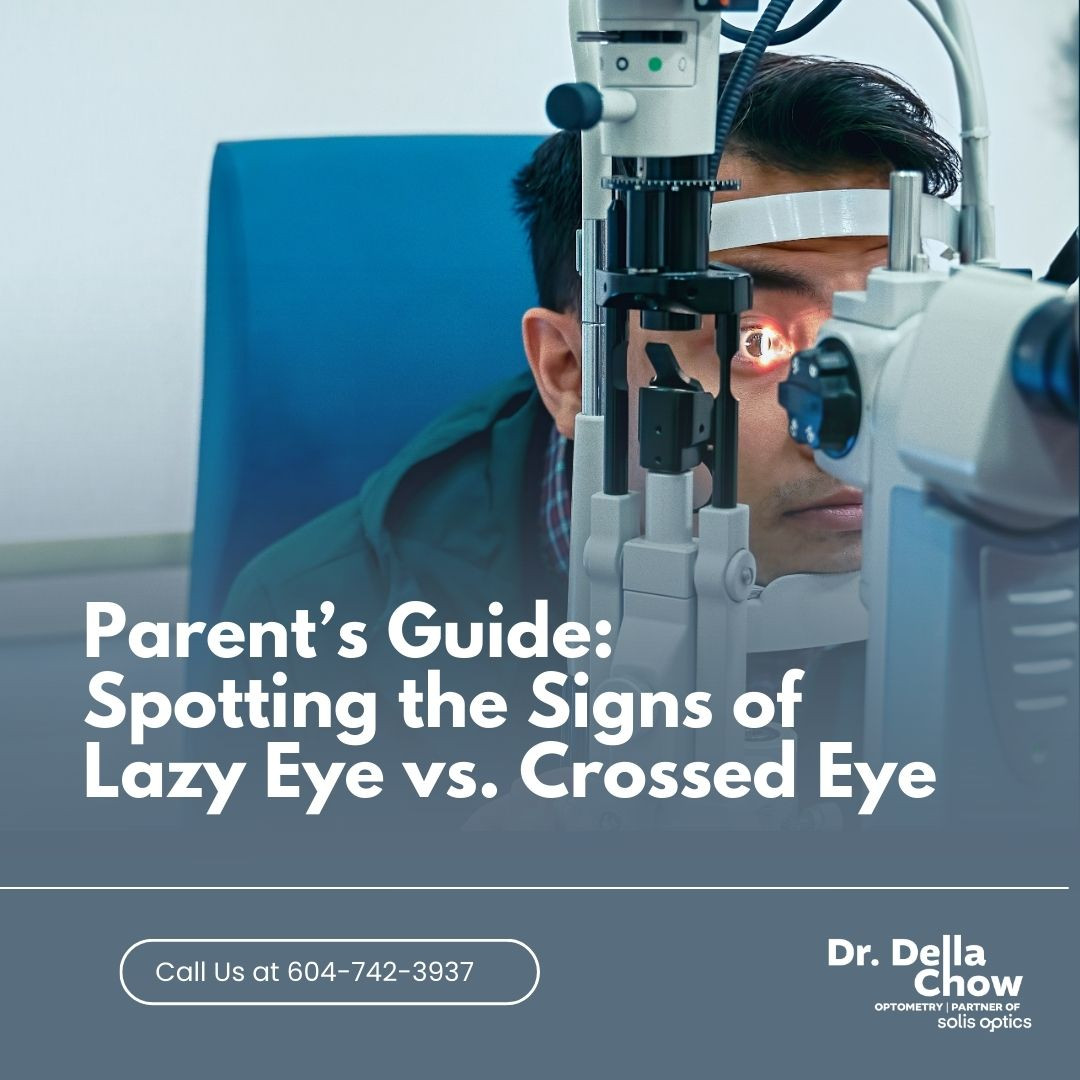
Why Early Detection Matters
Childhood is a critical time for visual development, and subtle changes in eye alignment or vision quality often go unnoticed. Two of the most commonly confused conditions are lazy eye (amblyopia) and crossed eye (strabismus). While they can occur together, they are not the same—and distinguishing the difference is the first step toward ensuring healthy visual development.
According to the National Eye Institute, amblyopia affects approximately 2–3% of children, while strabismus affects about 2–4%. These conditions can disrupt depth perception, learning, and confidence, but when identified early, most children experience significant improvement with proper treatment.
For families seeking guidance, consulting an experienced optometrist Kitsilano professional can help ensure early diagnosis and intervention.
Understanding Lazy Eye vs. Crossed Eye
While the terms are often used interchangeably, the conditions behind them are very different. For parents wanting a deeper clinical explanation, this resource on lazy eye vs cross eye provides additional clarity.
Lazy Eye (Amblyopia)
Amblyopia occurs when one eye does not develop normal vision because the brain favors the stronger eye. This can happen even when the eye looks completely normal on the outside. Causes may include refractive differences, strabismus, or structural issues.
Crossed Eye (Strabismus)
Strabismus refers to misalignment of the eyes. One eye may drift inward, outward, upward, or downward. Misalignment interferes with binocular vision, causing the brain to ignore one eye to avoid double vision—sometimes leading to amblyopia.
While amblyopia affects visual processing, strabismus affects eye alignment. One may cause the other, but they require different evaluations and, at times, different treatment approaches.
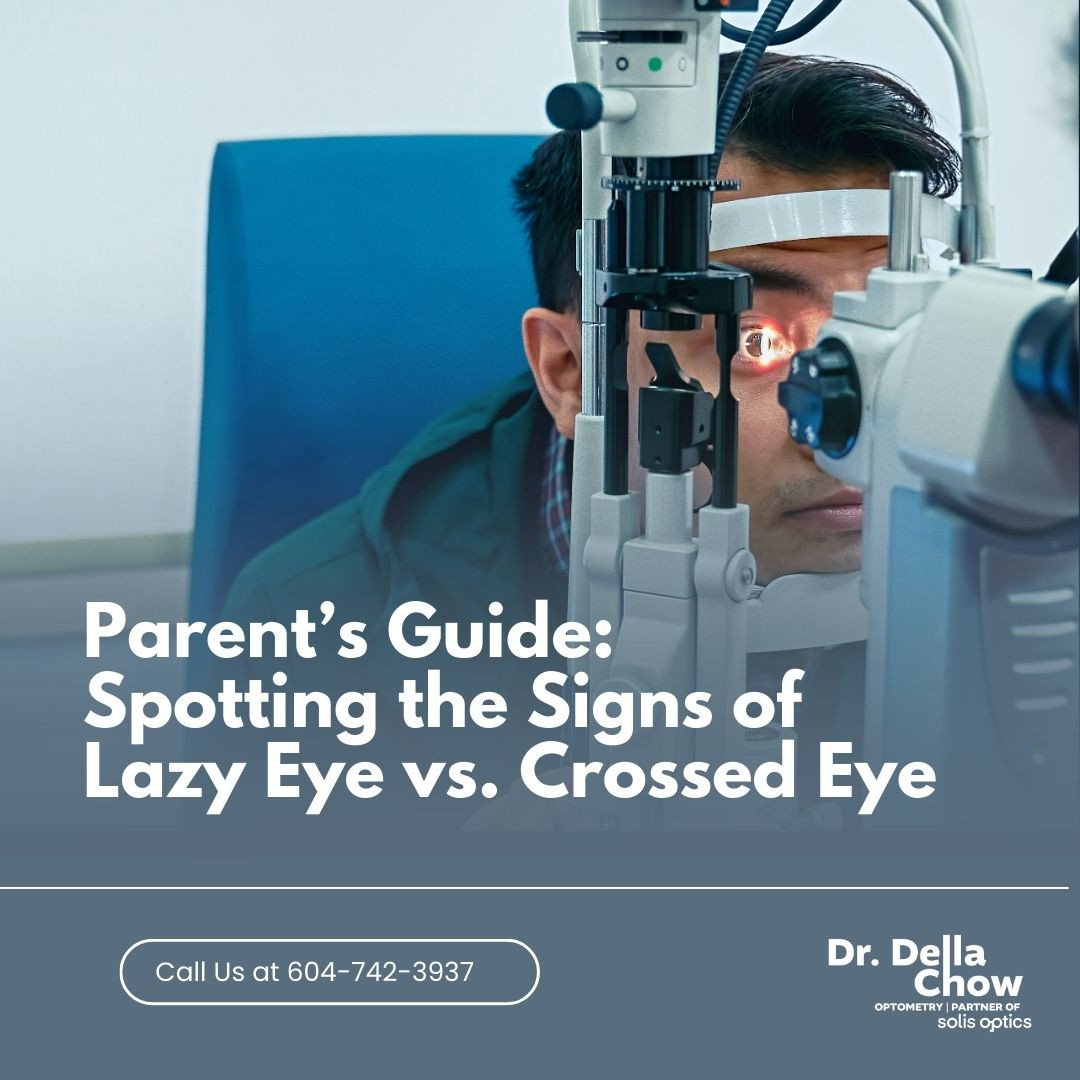
Why the Conditions Are Often Confused
A child with strabismus may also develop amblyopia because the brain begins suppressing the misaligned eye. However, a child with amblyopia may appear to have perfectly aligned eyes, which is why the condition is sometimes called "the silent vision problem."
Signs and Symptoms Parents Should Watch For
Signs of Lazy Eye (Amblyopia)
One eye appearing weaker or less coordinated
Frequent squinting or closing one eye
Poor depth perception
Tilting the head consistently to focus
Clumsiness or bumping into objects
Complaints of blurry vision in one eye
Signs of Crossed Eye (Strabismus)
Eyes that visibly drift in different directions
Intermittent or constant misalignment
Head tilting or turning to see more clearly
Difficulty with tasks requiring depth, such as catching a ball
Occasional double vision
Increased sensitivity to bright light
It is important to note that some infants may appear cross-eyed due to facial features such as a wide nasal bridge—this is called pseudostrabismus, and it typically resolves as the face grows.
When to Seek Professional Evaluation
Parents should schedule an eye exam immediately if they notice any signs listed above. The American Optometric Association recommends a child’s first eye exam at 6–12 months, again at age 3, and up to every year once school begins.
A professional eye exam can identify issues that may not be visible to parents—especially in cases of amblyopia, where the eye appears normal but vision is reduced.
Timeliness matters. Research shows that early treatment dramatically improves outcomes, especially before age 7, when the visual system is most adaptable.
Diagnosis and Treatment Options
How Eye Doctors Diagnose These Conditions
An optometrist typically performs several assessments:
Visual acuity testing
Eye alignment and movement testing
Depth perception evaluation
Retinoscopy or refraction
Cover tests to assess binocular function
Treatment for Lazy Eye
Prescription glasses
Patching the stronger eye
Atropine eye drops to blur the stronger eye
Vision therapy
Addressing refractive or structural causes
Treatment for Crossed Eye
Treatment depends on underlying causes:
Glasses for refractive-related misalignment
Prism lenses
Vision therapy
In some cases, corrective eye-muscle surgery
Most children who receive early care experience meaningful improvement in eye alignment, visual clarity, and depth perception.
Parent’s Guide: Spotting the Signs of Lazy Eye vs. Crossed Eye — Final Thoughts
Understanding the difference between these two conditions empowers parents to take action early—when treatment is most effective. Whether a child shows signs of misalignment or subtle visual challenges, early evaluation helps prevent long-term complications and supports healthy visual development.
Parents who notice any of these symptoms should schedule a comprehensive children’s eye exam with Della Optique. The team’s expertise, modern diagnostic tools, and personalized care ensure that every child receives the attention they deserve. Book an appointment today and give your child the gift of clear, confident vision.