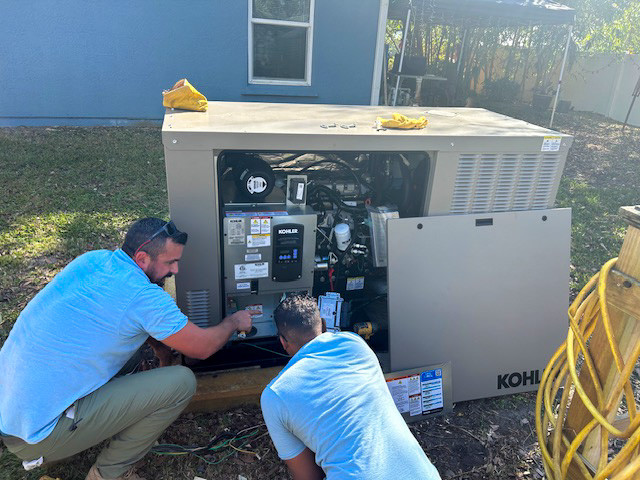
Electrician in Melbourne, FL Focuses on Generator Sizing
Wavelength Electrical Contracting Inc., a licensed electrician in Melbourne, FL, has expanded its generator consultation services to address the critical importance of proper generator sizing for residential properties. The company now provides detailed load calculations and power assessments that account for Florida's unique climate challenges, particularly the essential requirement for continuous air conditioning during extended outages. This enhanced service helps homeowners avoid the costly mistakes of undersized or oversized generator installations.

Load Calculations Determine Accurate Generator Capacity
Proper generator sizing begins with comprehensive load calculations that measure both starting and running wattage requirements for all essential appliances and systems. Licensed electricians evaluate circuit breaker panel capacity, air conditioning tonnage, well pump requirements, and medical device needs to establish baseline power demands. Professional electrical load analysis ensures generator capacity matches actual household consumption patterns rather than relying on generic square footage estimates. The calculation process accounts for surge wattage when multiple appliances start simultaneously, preventing voltage drops that damage sensitive electronics and refrigeration equipment.
Florida Climate Demands Prioritize Air Conditioning Power
Air conditioning represents the largest single electrical load in Florida homes during extended power outages caused by hurricanes and tropical storms. A typical central air conditioning system for a 2,000-square-foot home requires between 3,500 and 5,000 starting watts, with running wattage ranging from 2,000 to 3,500 watts depending on unit efficiency and outdoor temperatures. Wavelength Electrical helps homeowners understand that generator capacity planning must account for continuous cooling system operation throughout multi-day outages when outdoor temperatures frequently exceed 90 degrees. The consultation process examines SEER ratings, ductwork efficiency, and thermostat programming to optimize generator performance while maintaining comfortable indoor conditions.
Automatic Transfer Switch Integration Ensures Seamless Operation
Modern standby generators require automatic transfer switches that detect power loss and activate backup systems within seconds of utility failure. Transfer switch sizing must align with both the generator's output capacity and the home's main electrical panel amperage, typically 200 amps for most residential properties. Licensed electricians install transfer switches with load management capabilities that prioritize essential circuits when generator capacity cannot support simultaneous operation of all household systems. Professional transfer switch installation prevents dangerous backfeeding into utility lines while ensuring code compliance with National Electrical Code Article 702 requirements for standby power systems.
Natural Gas and Propane Options Offer Different Advantages
Generator fuel selection significantly impacts installation costs, operating efficiency, and runtime capabilities during prolonged outages. Natural gas generators connect directly to municipal gas lines, providing unlimited runtime without refueling concerns but potentially facing supply interruptions during widespread disasters. Propane systems require on-site tank installation but offer fuel independence and often lower initial costs compared to natural gas connections. Wavelength Electrical evaluates existing fuel infrastructure and local utility reliability to recommend the most appropriate fuel option based on property characteristics and homeowner priorities for emergency preparedness.

Permit Requirements and Code Compliance Protect Investments
Generator installations in Melbourne require electrical and mechanical permits that ensure compliance with Florida Building Code and local ordinances governing equipment placement and exhaust locations. Proper installation must maintain minimum clearances from structures, windows, and air intake vents to prevent carbon monoxide infiltration and ensure adequate ventilation for safe operation. Licensed contractors handle permit applications, inspection scheduling, and final approval processes that validate installation quality and protect homeowner investments. Professional permit compliance services eliminate the risk of code violations that void manufacturer warranties and create liability concerns for unpermitted electrical work performed by unlicensed installers.