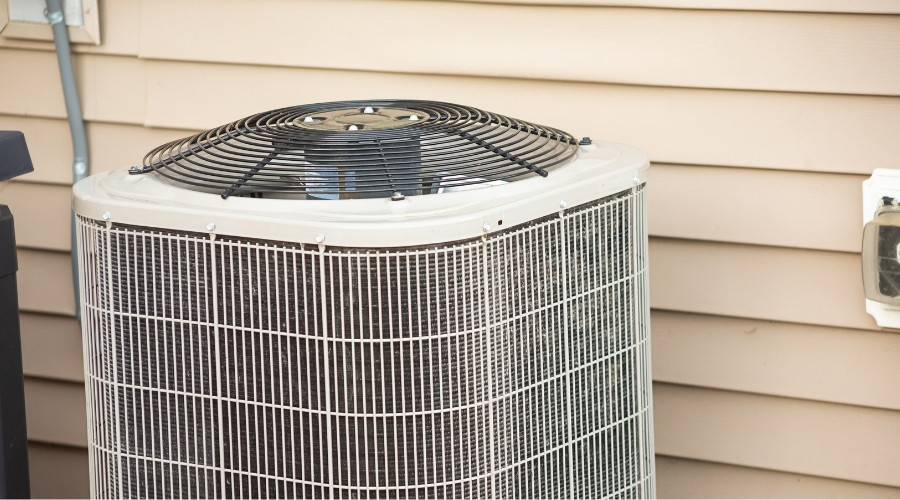
3 Common Heating and Cooling Mistakes to Avoid
A new year is a natural time to rethink how a home’s comfort systems are treated day to day. Small changes in how filters, vents, and maintenance are handled can make a big difference in comfort, costs, and system reliability. This post examines three common HVAC habits that cause trouble and explains how breaking them improves indoor air quality, energy efficiency, and equipment lifespan.
Not Replacing Air Filters
 An air filter is the first line of defense for both indoor air quality and system health. Over time, dust, pet dander, and other particles build up in the media. When air filter replacement is neglected, airflow through the furnace or air handler drops. That restriction makes the blower work harder, reduces heating and cooling output, and can lead to hot or cold spots around the home.
Routine air filter replacement, typically at least every three months for standard one-inch filters, keeps air moving freely. Cleaner filters also capture more contaminants, which supports better indoor air quality and helps protect coils and ductwork from buildup. That means less strain on components and a reduced risk of overheating or icing, both of which can shorten equipment life.
Keeping a simple schedule—such as swapping filters at the start of each season—offers an easy, low-cost way to support more consistent comfort and lower utility bills at the same time.
Blocking or Closing Air Vents
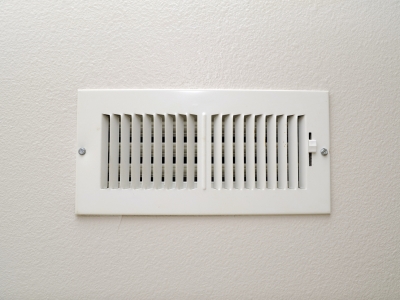 It is tempting to close air vents in lightly used rooms or place furniture over supply registers for aesthetic reasons. Unfortunately, this habit can create a pressure imbalance in the duct system. Forced-air equipment is designed for a specific amount of airflow; when too many air vents are blocked or closed, that airflow path is disrupted.
The result can be uneven temperature distribution, with some rooms becoming stuffy while others feel drafty. The blower may also have to push against higher resistance, increasing wear and tear and sometimes causing noisy ductwork. In extreme cases, restricted airflow can contribute to system inefficiency or even cause equipment to shut down due to safety limits.
Leaving air vents open and unobstructed allows air to circulate as intended. If temperature control in certain rooms is a concern, zoning solutions, duct adjustments, or balancing dampers are better options than simply closing registers and hoping for the best.
Skipping Maintenance
Heating maintenance and air conditioning maintenance are often out of sight, out of mind—until a breakdown occurs on the hottest or coldest day of the year. Skipping regular tune-ups may save a small amount in the short term, but it increases the likelihood of bigger, more expensive problems later.
Professional heating maintenance and AC maintenance typically include cleaning critical components, checking refrigerant and fuel connections, verifying safety controls, and measuring performance. When done on a regular schedule, this work supports higher energy efficiency, which can translate into lower utility bills season after season. It also helps catch worn parts or small issues early, reducing the risk of sudden failures and emergency repair visits.
Well-maintained systems tend to last longer, provide more reliable comfort, and operate more safely. Filters stay cleaner, burners and coils run more smoothly, and airflow stays closer to design levels, all of which support better indoor air quality and fewer comfort complaints.
About Hunt's Services
The proud family-owned and operated team at Hunt’s Services provides heating, cooling, and plumbing services you can trust in Tacoma and the surrounding areas. Call them today for straightforward pricing and expert help from trusted technicians when you schedule heating services in Tacoma, WA.