Responding to a biohazard situation in North Carolina requires careful planning, reliable procedures, and a response team trained to step in without hesitation. These incidents often leave property owners unsure of what to do next, especially since safety concerns and proper sanitation are immediate priorities. Having a trusted cleanup system in place helps make the process easier to manage and restores a sense of order sooner than expected. In this guide, American Family Bioclean outlines the swift and structured sanitation strategy used to stabilize environments quickly and responsibly, offering North Carolinians a dependable way to bring their properties back to safe conditions.
NC Biohazard Crisis: Challenges and Contaminants
Biohazard issues in North Carolina appear in many different forms, ranging from traumatic crime scenes to infectious outbreaks, and each type introduces hazards that require specialized attention. The challenge stems from the fact that every contaminant behaves differently and affects environments in its own way.
Bloodborne pathogens at accident sites create risks tied to illnesses transmitted through bodily fluids. These situations require careful containment and precise sterilization to prevent the spread of infection. Chemical spills in industrial zones bring a different type of threat, as toxic substances can harm people and natural areas if not neutralized properly. Hospitals generate biological waste that must be handled through strict disposal methods to prevent cross-contamination and support public safety.
Because contaminants vary so much, one single cleanup method does not work across all situations. Professional teams must rely on protocols designed for the exact hazards they face.
Bloodborne pathogens require PPE and disinfectants approved for pathogen elimination. Chemical spills may need containment materials to stop the spread and specialized neutralizers to safely break down dangerous substances. Biological waste must comply with regulatory guidelines governing transportation and disposal.
Understanding these differences is essential because improper handling can worsen contamination or put crews and residents at risk.
Data from the North Carolina Department of Health and Human Services shows a 15 percent increase in biohazard incidents over the past two years. The rise in cases places additional pressure on cleanup organizations like American Family Bioclean to improve response time while maintaining thoroughness. Their teams must balance speed and safety without cutting corners.
Unpredictable variables also complicate cleanup efforts. Tight spaces can trap contaminants. Older buildings may have porous materials that absorb hazardous residues. Weather conditions can change how contaminants spread or break down. These elements increase the difficulty of any cleanup and make trained professionals essential.
A biohazard situation in North Carolina is not simply a cleaning task. It involves science, safety, and organized action designed specifically for the type of contaminant involved.
This combination of urgency and caution leads to how expert response teams mobilize quickly while safeguarding accuracy and care at every step.
American Bioclean: The Rapid Response Team
American Family Bioclean’s rapid response team operates with efficiency and precision, blending advanced training and modern equipment to address biohazard incidents quickly and responsibly. These professionals focus on quick action but also emphasize detailed preparation and careful assessment of each situation, whether dealing with chemical spills, infectious materials, or other hazardous events.
Their around-the-clock availability ensures that no time is lost between the moment an incident occurs and the moment cleanup begins. This is especially important in situations where delays can increase risks and costs.
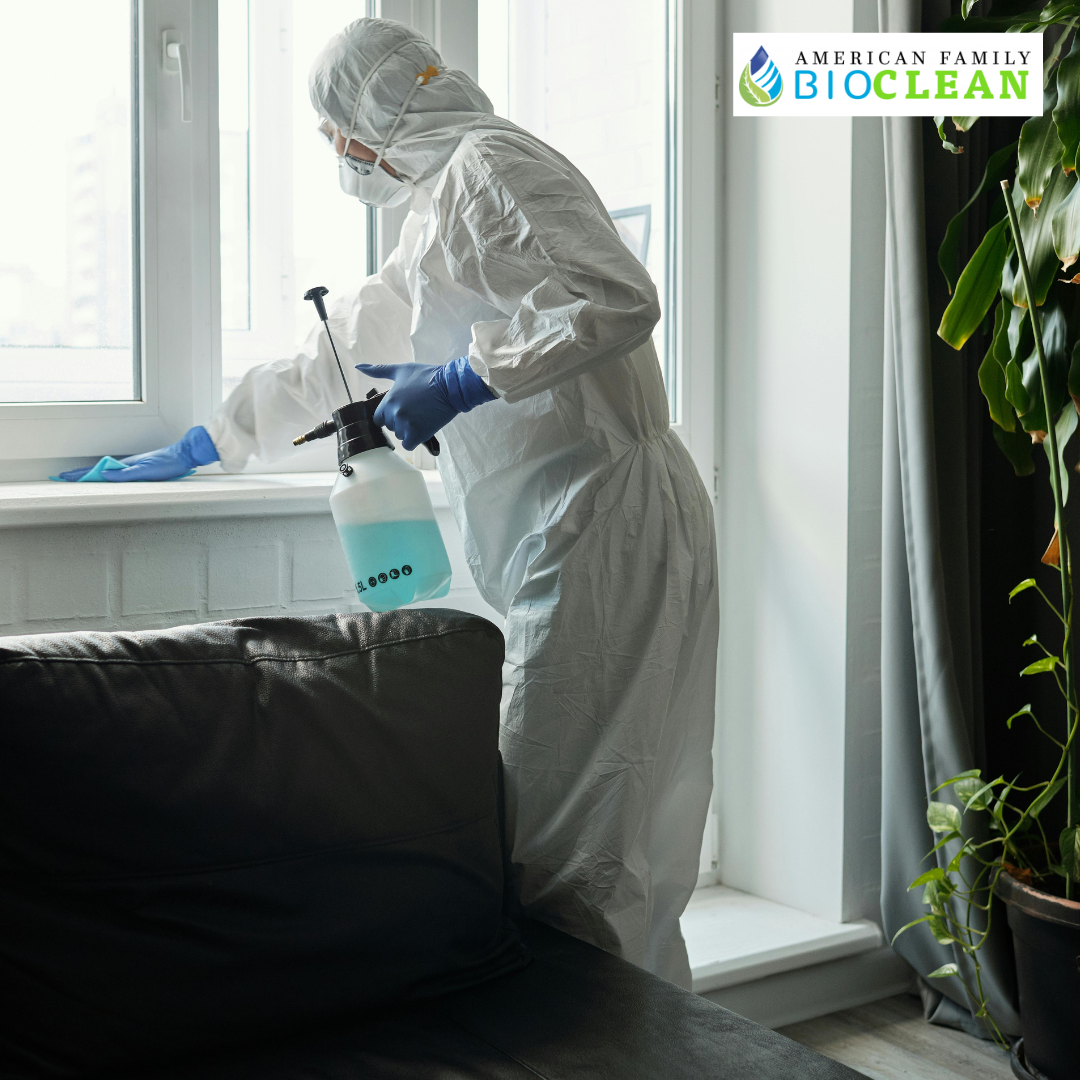
The team arrives with more than standard cleaning supplies. They bring specialized containment systems, industrial-strength disinfectants, and advanced PPE designed for hazardous environments. This equipment allows them to immediately contain dangers and limit cross-contamination.
Their decontamination procedures meet or exceed OSHA and EPA regulations, protecting both crew members and occupants of the affected property. They also conduct air quality testing after cleanup and use advanced detection tools to verify that contaminants have been completely removed.
What distinguishes this team is their combination of preparedness and steady decision-making under pressure. Having worked in a wide range of environments, from small residences to large commercial facilities, they know how to prioritize effectively. They stabilize the site first, then begin thorough sanitation while minimizing disruption to normal operations.
This method allows homes and businesses to return to normal activities sooner, with confidence in the safety of their surroundings.
Key strengths of American Family Bioclean’s rapid response system include:
- 24-hour availability
- Highly trained technicians skilled in cleanup and communication
- Advanced containment systems for secure isolation
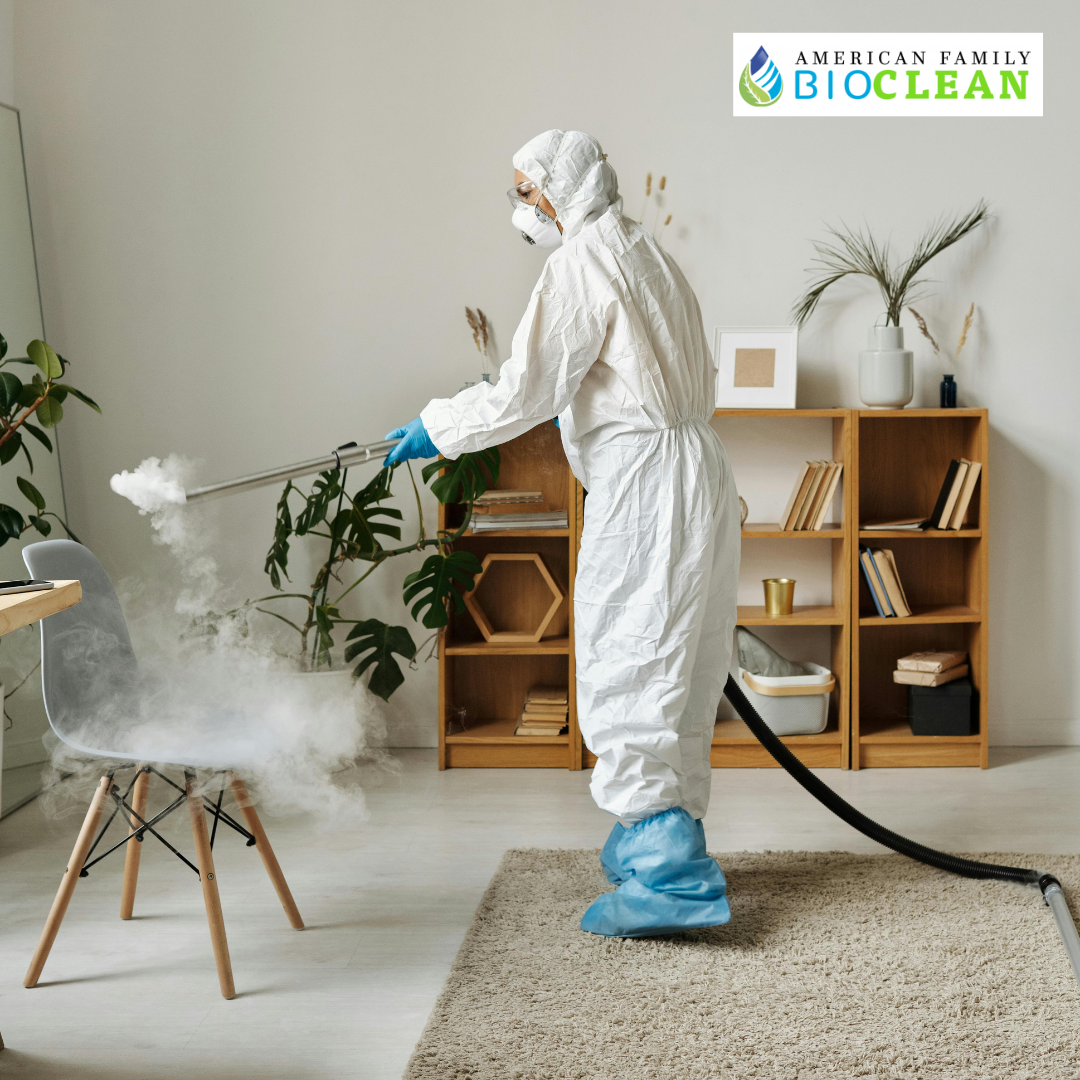
- Modern disinfection tools such as electrostatic sprayers
- Post-cleanup verification through environmental testing
For property owners facing a biohazard crisis, calling in a rapid response team is not only about addressing immediate damage. It is also about reducing long-term health risks and preventing expensive remediation issues later. Proper intervention early on significantly reduces downtime and potential complications.
Understanding how their technology enhances these efforts helps explain the full value behind their work. The next section explores the advanced tools that support their sanitation strategy.
Advanced Cleanup Technology
A major part of American Family Bioclean’s efficiency comes from the use of specialized equipment designed for biohazard environments. These tools address not only visible contaminants but also microscopic threats that traditional cleaning often leaves behind.
One important tool is the High-Efficiency Particulate Air (HEPA) vacuum. Unlike regular vacuums, HEPA units capture particles as small as 0.3 microns with 99.97 percent efficiency. This is crucial because many pathogens exist at microscopic levels. Removing these particles from the air and surfaces significantly reduces the risk of infection.
HEPA filtration is especially valuable because airborne particles can linger long after an incident. Without proper equipment, bacteria, viruses, or mold spores may remain suspended, continuing to pose risks. HEPA systems ensure environments are truly sanitized rather than visually clean.
UV light sterilization is another essential tool. UV light disrupts the DNA or RNA of pathogens, preventing them from multiplying. This method reaches into areas that are difficult to scrub manually, including small crevices and delicate surfaces.
Research supports its effectiveness, showing that UV technology can eliminate up to 99.9 percent of harmful microorganisms. When used after chemical cleaning, it provides an extra layer of protection by disabling pathogens that may remain on surfaces.
Together, HEPA vacuuming and UV sterilization form a multi-step defense approach. HEPA removes dangerous particles, while UV light neutralizes residual contamination. This combination results in a more complete sanitation process.
American Family Bioclean’s advantage is not only in owning advanced tools but also in knowing when and how to use them. Effective cleanup requires understanding environmental conditions and applying each tool correctly. Their team ensures no part of the contaminated site is overlooked.
These innovations set the foundation for effective containment and disposal, which remain critical steps in the overall cleanup process.
Swift Sanitation Strategy: Containment and Disposal
Once biohazard materials are identified, containment becomes the first priority. Effective containment requires isolating the affected space fully to prevent contaminants from spreading into surrounding areas. This involves sealing doors, windows, and ventilation openings with industrial-grade barriers. American Family Bioclean uses airtight plastic sheeting reinforced with heavy-duty tape to create secure seals that block even the smallest particles from escaping.
Containment also relies on negative-pressure systems. These machines draw contaminated air inward, preventing airborne particles from moving outward into clean areas. The air passes through filters that capture harmful materials before being released. This controlled environment allows technicians to work safely while ensuring contaminants remain inside the restricted zone.
High-quality containment materials and reliable negative air systems are critical. Using substandard equipment could jeopardize worker safety and compromise the integrity of the cleanup.
Once containment is in place, the focus shifts to proper disposal of hazardous waste.
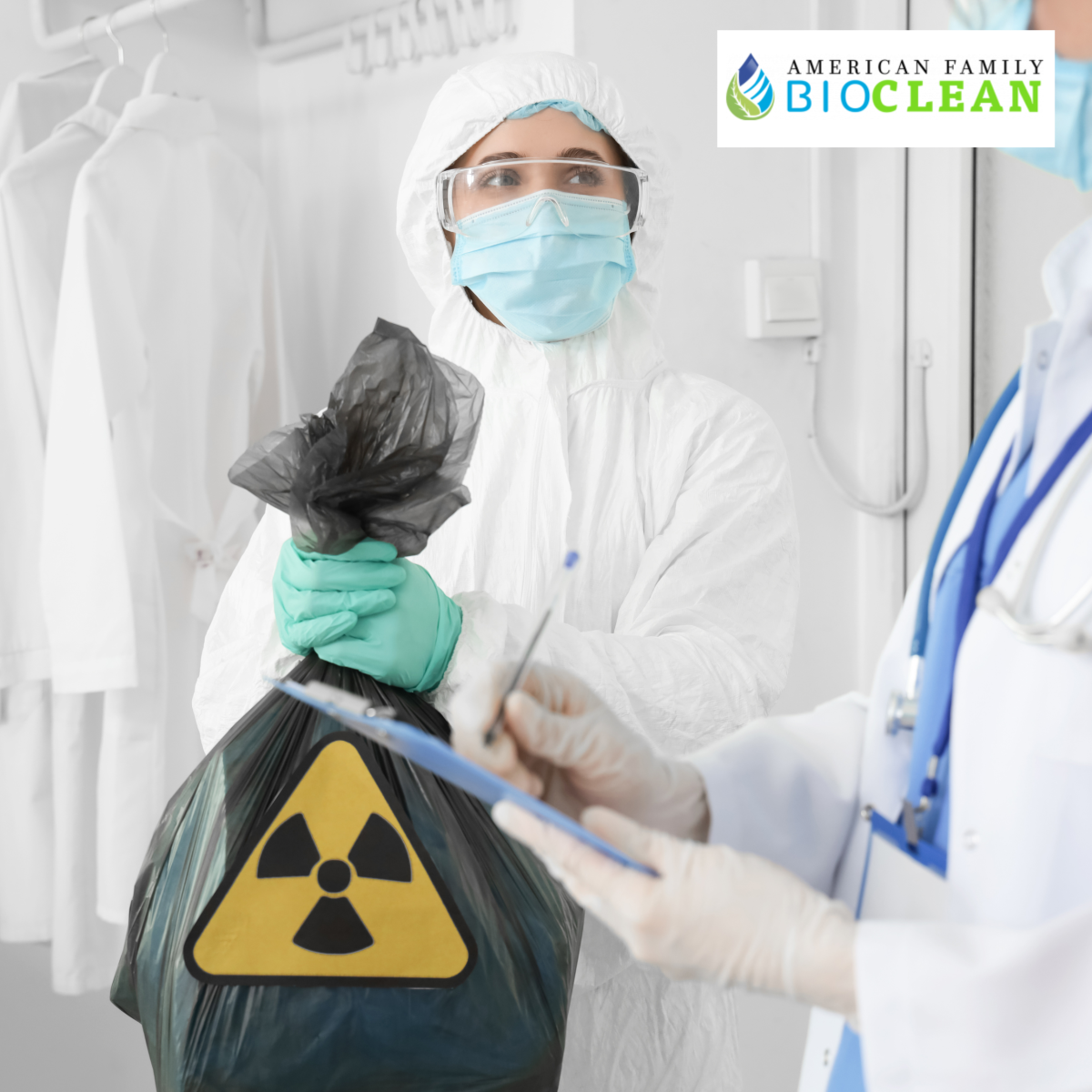
American Family Bioclean follows strict disposal procedures to eliminate secondary contamination. All waste, including used PPE and contaminated materials, is double-bagged in puncture-resistant, securely sealed bags. This reduces the risk of leakage during handling or transport.
EPA studies show that disciplined containment, combined with proper disposal methods, reduces secondary contamination by more than 80 percent. This highlights the importance of following structured procedures rather than relying on general cleaning habits.
Clear labeling of bags and maintaining chain-of-custody documentation ensures compliance and prevents mistakes during transportation. This recordkeeping reinforces safety and accountability at every stage.
These containment and disposal steps form the core of a dependable remediation process. Each action supports the next, creating a system that keeps people and environments protected. American Family Bioclean demonstrates how attention to detail, paired with timely execution, produces safe results.
This groundwork leads to broader safety considerations that affect both public health and environmental integrity.
Environmental and Public Safety Measures
American Family Bioclean does more than remove hazardous materials. Their work prioritizes environmental responsibility and public safety, adhering to strict regulations that prevent contamination from spreading beyond the cleanup area.
Compliance with EPA, OSHA, and CDC guidelines provides a framework for safe operations. The EPA ensures hazardous waste is handled and disposed of properly to protect natural resources. OSHA safeguards worker health by regulating cleanup conditions. CDC guidelines address infection control to prevent the spread of disease during and after remediation.
American Family Bioclean consistently meets these standards, and community education forms is another part of their approach. Public outreach helps residents understand potential biohazard risks and teaches them how to recognize warning signs. This encourages informed decision-making and reduces the likelihood of unsafe cleaning attempts.
Residents also learn when to seek professional help rather than attempt to fix contamination themselves. This guidance strengthens long-term community safety.
Industries Benefiting from Bioclean Services
Many sectors rely on bioclean services because they operate in environments where safety and sanitation are critical.
Medical facilities such as hospitals, urgent care centers, and dental offices require high sanitation standards to protect patients, visitors, and staff. Even small oversights can lead to infection risks. American Family Bioclean ensures these spaces meet strict cleanliness expectations that exceed routine janitorial services.
Law enforcement and emergency responders also depend on biohazard cleanup support. Crime scenes and accident sites often contain bloodborne hazards that require specialized handling. Cleanup teams work efficiently and respectfully to remove contamination while allowing investigations or recovery operations to continue.
Industrial facilities present another major sector that benefits from professional bioclean services. Factories and plants dealing with chemicals or biological materials face both safety and environmental risks when spills occur. A rapid response helps contain threats, maintain compliance, and minimize costly downtime.
Data shows that about 75 percent of industrial accidents involving hazardous material spills require specialized cleanup within hours to avoid broad contamination. This fast response helps protect workers, communities, and the surrounding land.
Companies in these sectors gain long-term advantages by partnering with trusted bioclean providers. Regular training, clear communication, and prompt access to experts strengthen their overall safety and operational stability.
American Family Bioclean’s work across these industries underscores the importance of proper biohazard remediation in supporting public health, business continuity, and community protection.
Biohazard situations demand prompt action, structured procedures, and a dependable team capable of safely handling complex hazards. American Family Bioclean demonstrates how thorough training, advanced technology, and strong safety practices combine to restore environments quickly and responsibly. Their work across various sectors shows the importance of reliable cleanup services that protect people, property, and the broader community. North Carolina residents and businesses benefit from a sanitation strategy built on accuracy, efficiency, and long-term safety.

Why Choose American Family Bioclean for Biohazard Cleanup?
American Family Bioclean is a dependable choice for biohazard cleanup because their team is trained to respond quickly and apply a structured sanitation strategy that restores safety without delay. They follow strict industry protocols to assess each scene, contain hazards, remove affected materials, and thoroughly disinfect all impacted areas. Their efficient process is designed to reduce risks, prevent cross-contamination, and return the environment to a clean and secure state as soon as possible. With a focus on timely response, careful execution, and respect for the sensitivity of each situation, they provide the level of support necessary during urgent cleanup needs. Contact them at 910-776-4425 to request service and rely on a team that prioritizes swift and thorough sanitation.